GDES 132 — Typography
This typography course covers the history, theory, and study of letterforms and type design. Through design projects, students learn how to create compositions using typesetting principles, current Adobe design applications, and concepts demonstrating the relationship between type and image, principles of legibility, visual hierarchy, and production workflow.
Project: Type Explorations
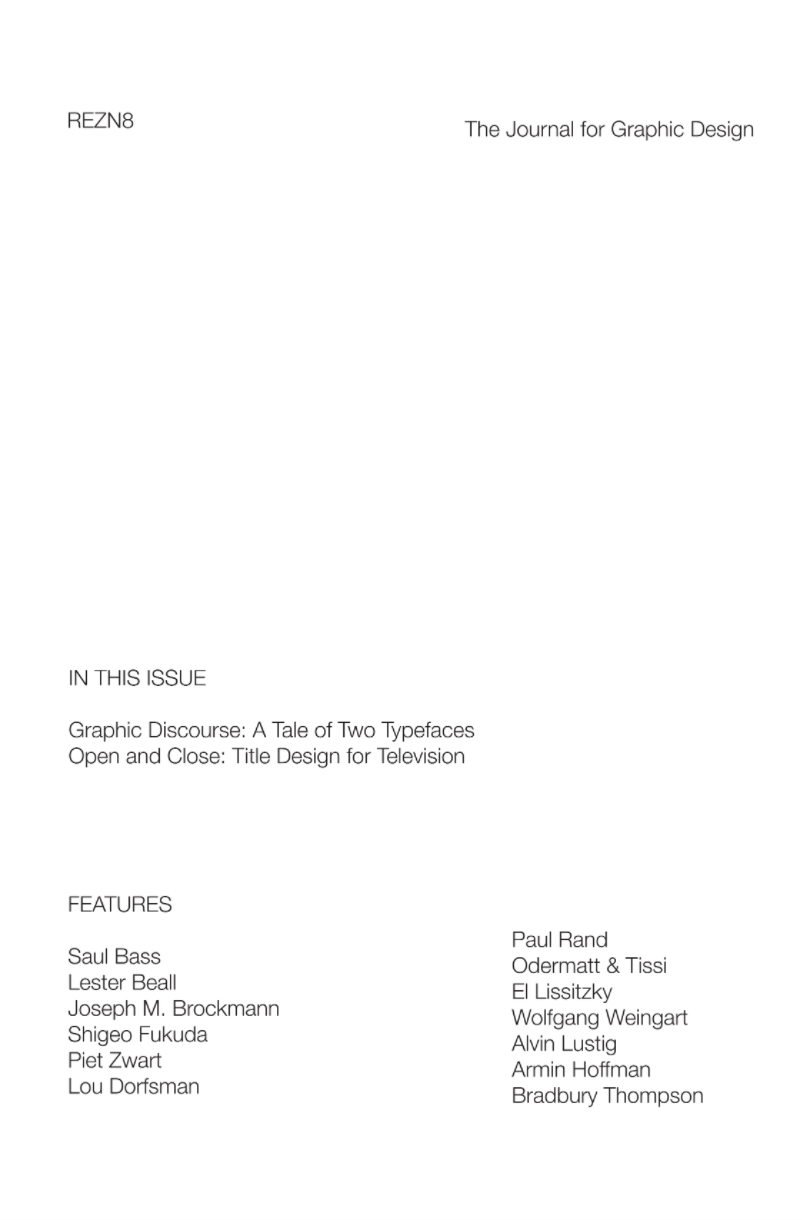
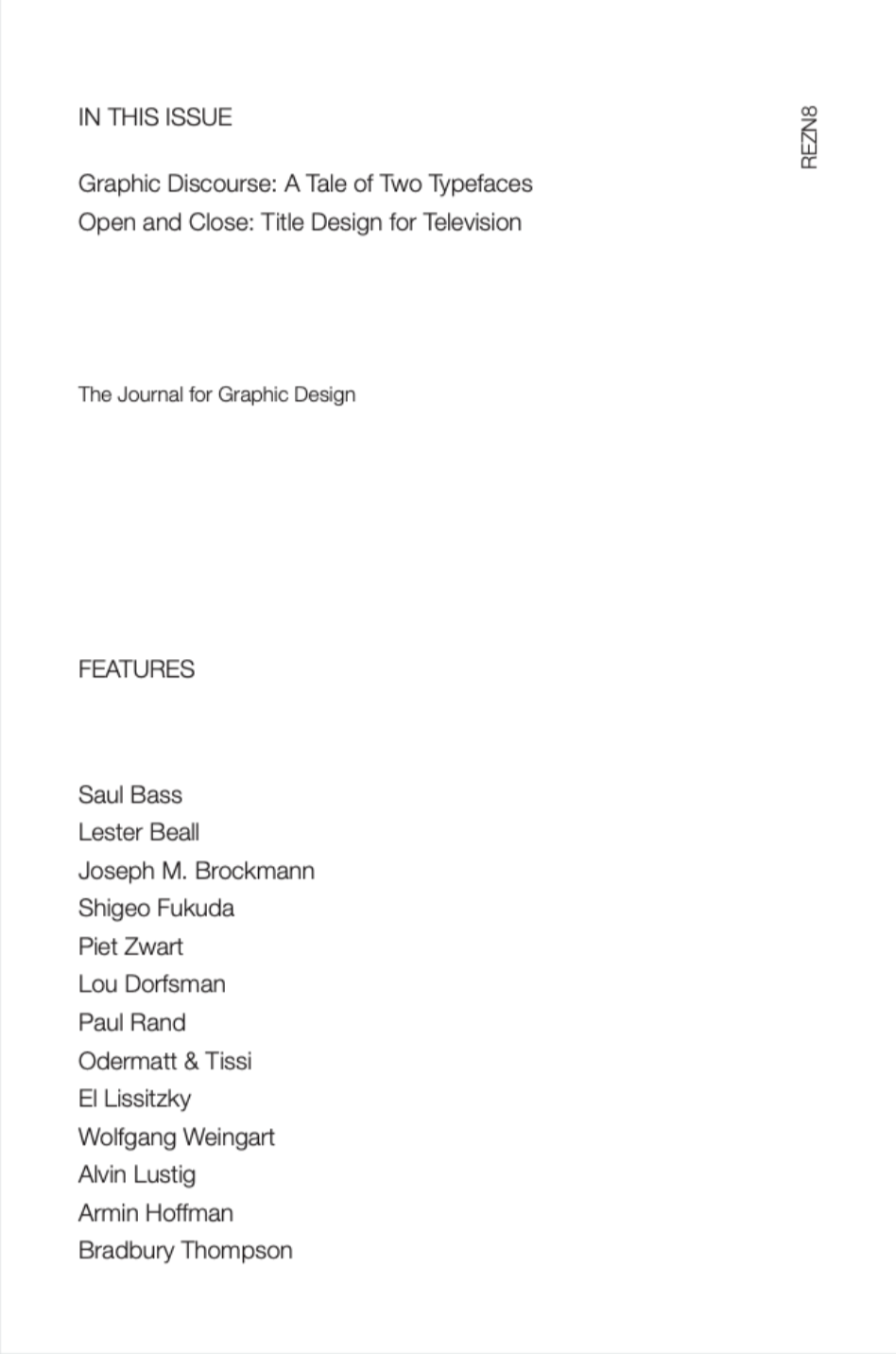
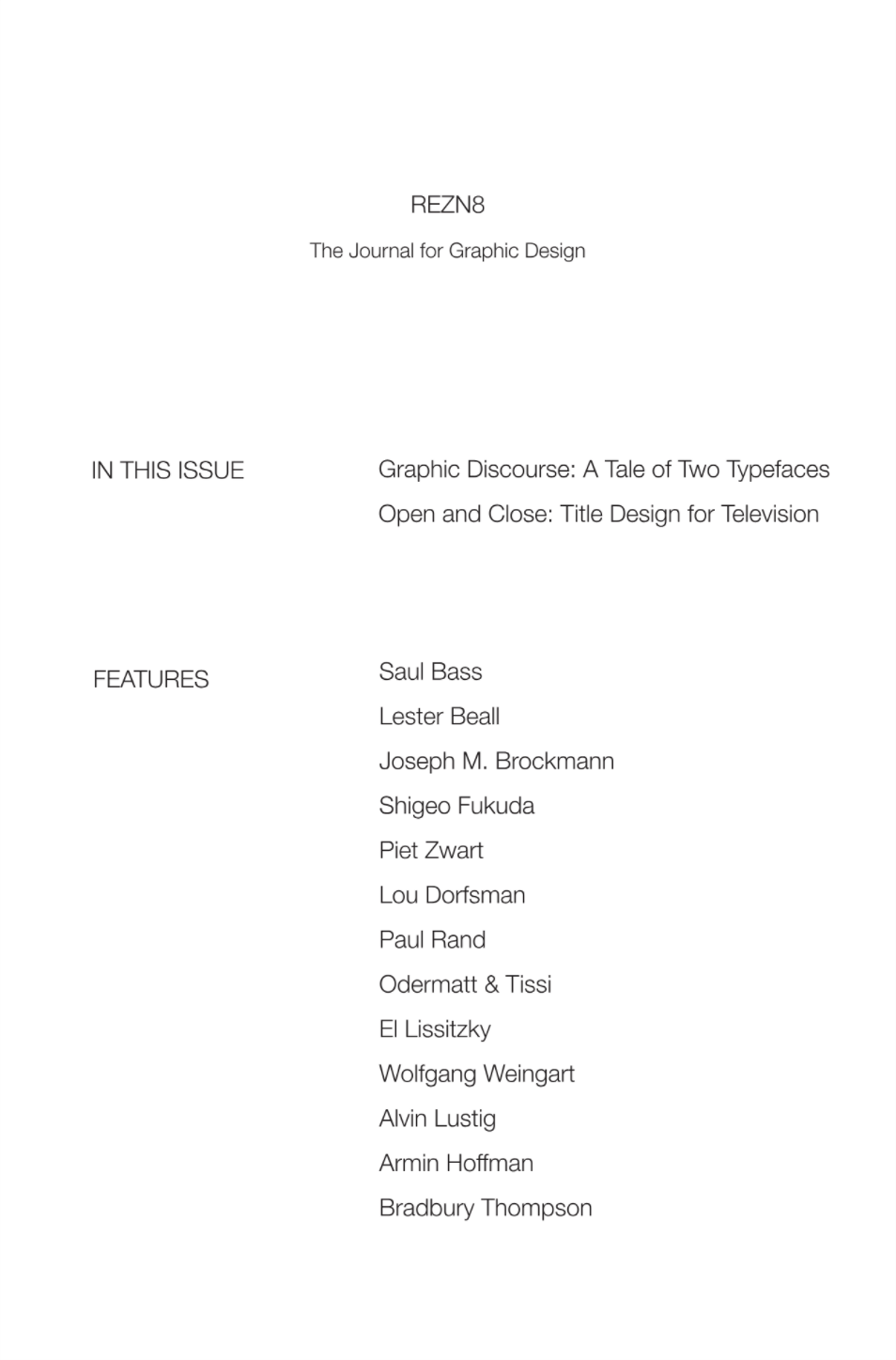
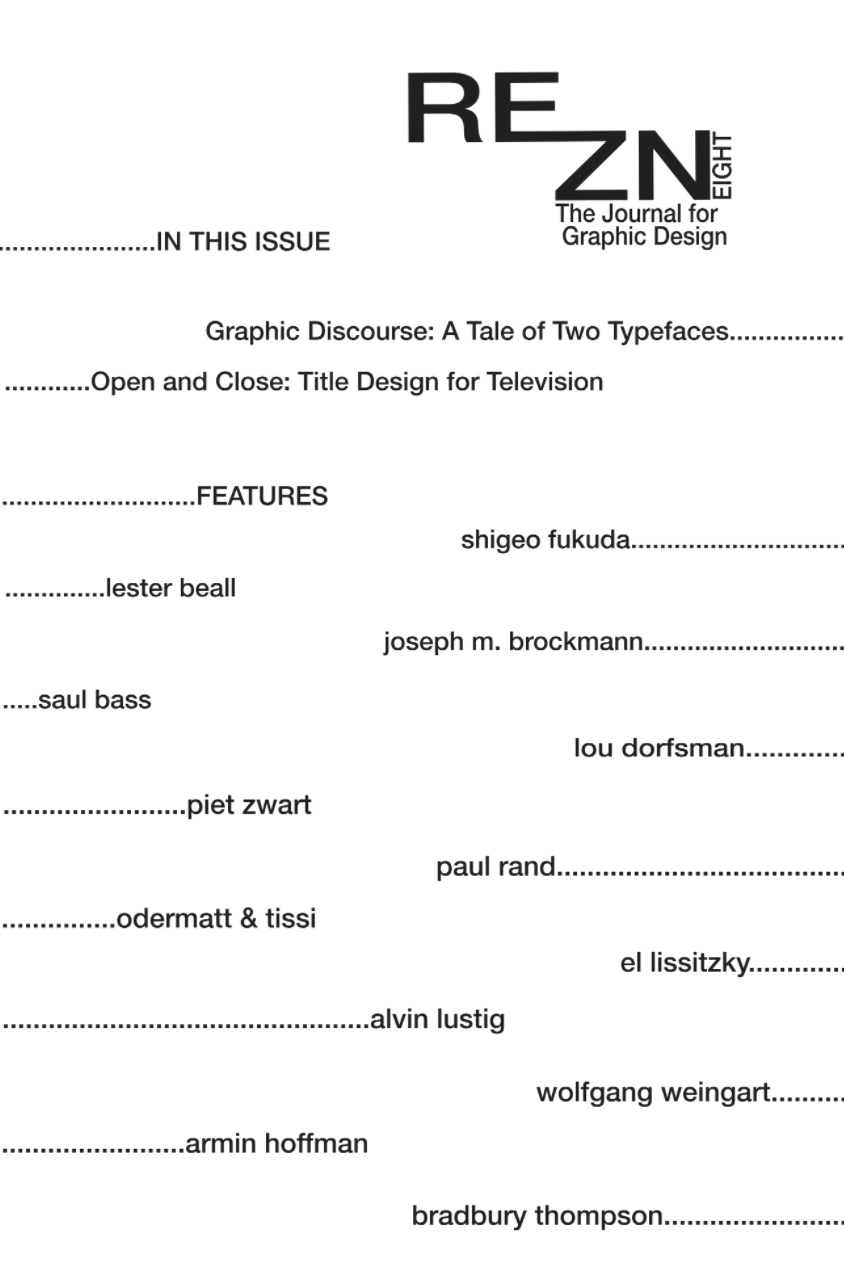
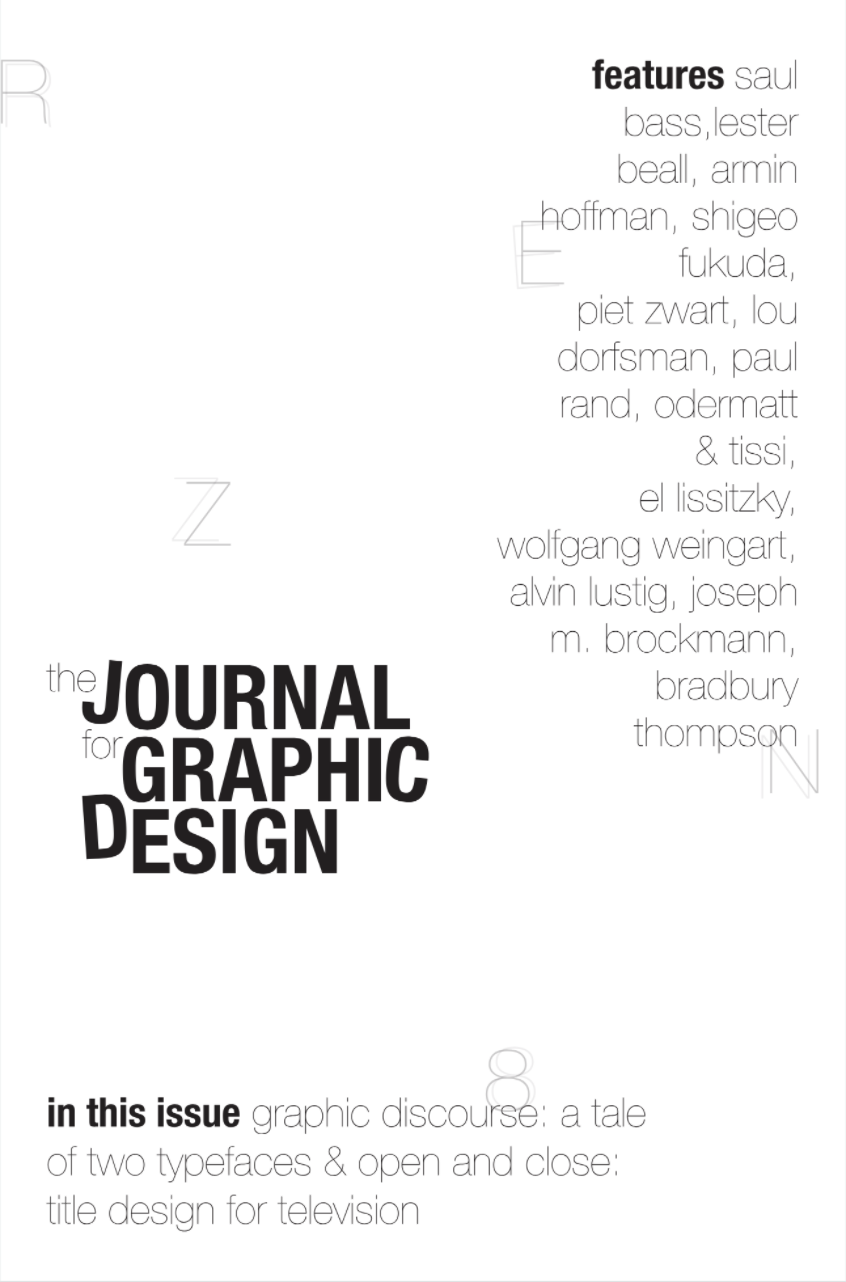
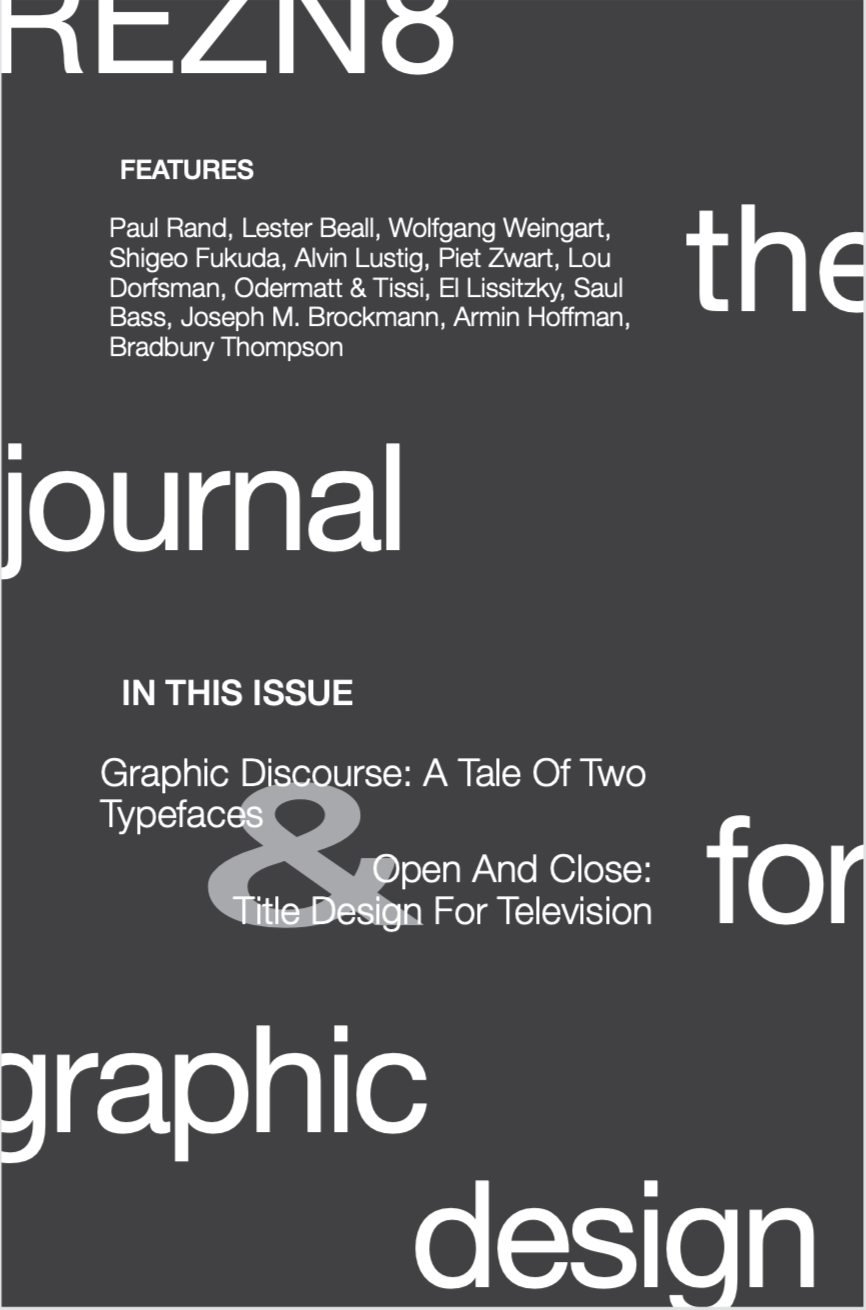
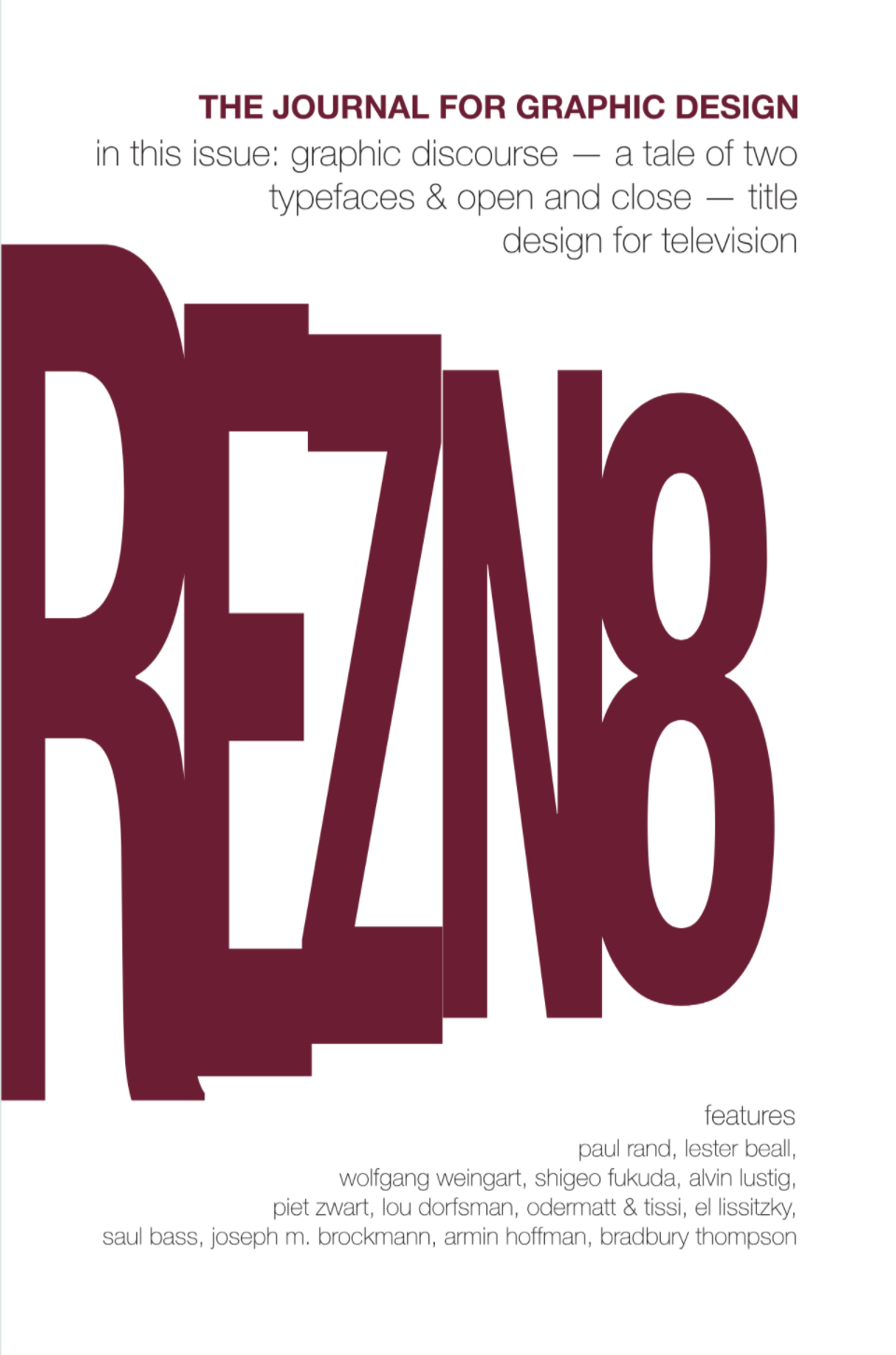
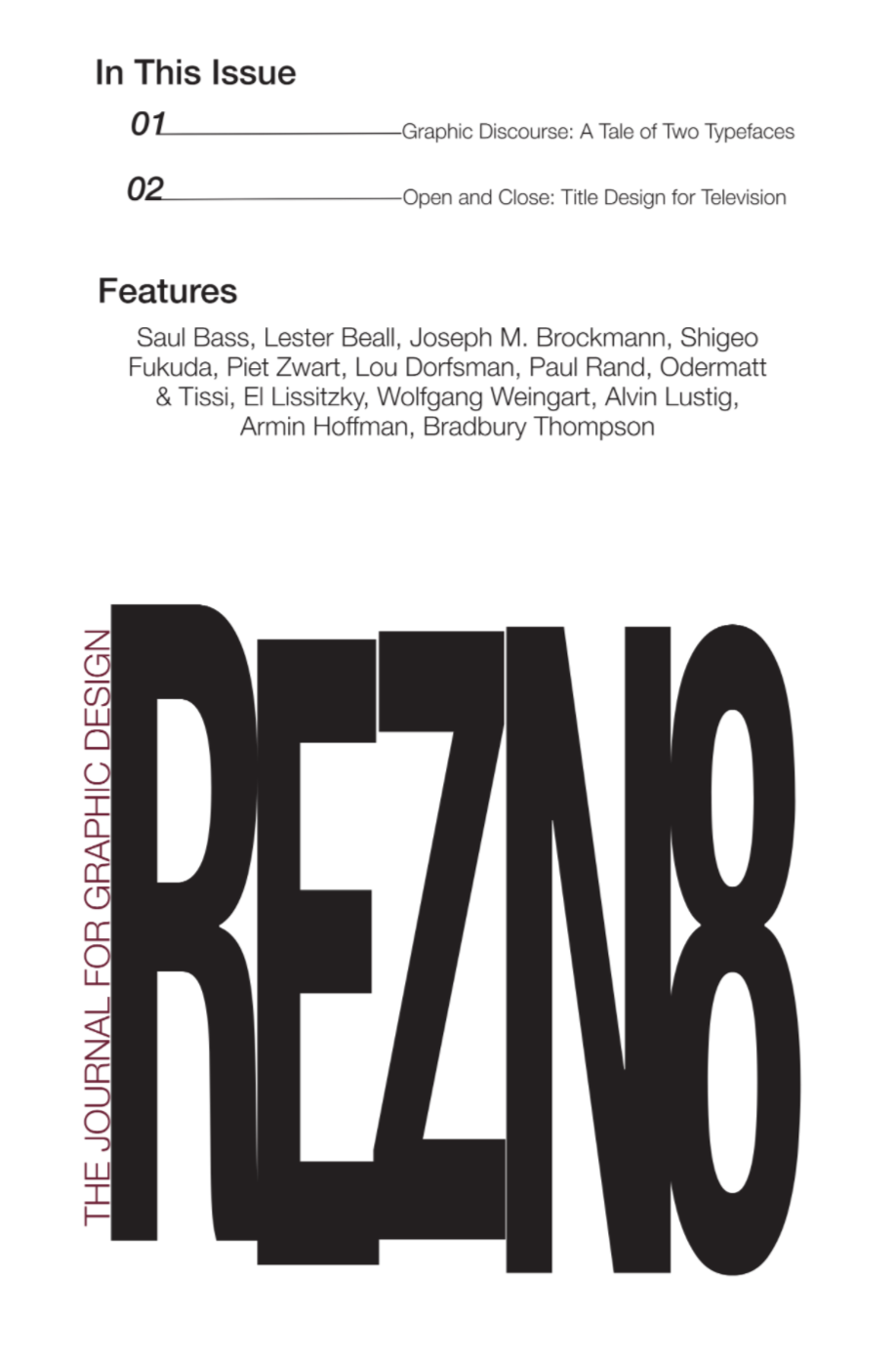
This project builds typographic layouts across four tightly scoped challenges, applying Basel-inspired discipline (clarity, function, precision) on a fixed canvas using Helvetica, black and white only, and a modular grid of the designer’s own definition. Each class session tackles one challenge, with three variations generated and one selected for live critique. Self-critique cards (Focal Point, Order, Negative Space, then later Scale/Surprise, Balance, Details) guide iteration and peer review.
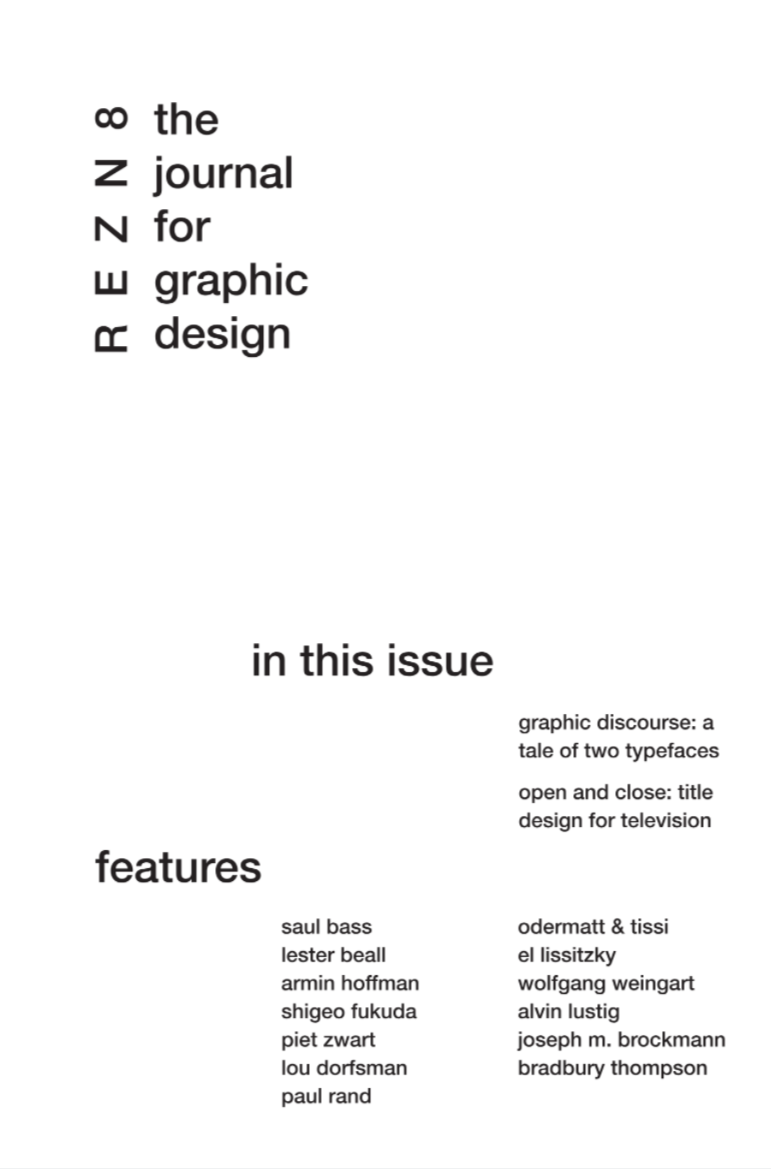
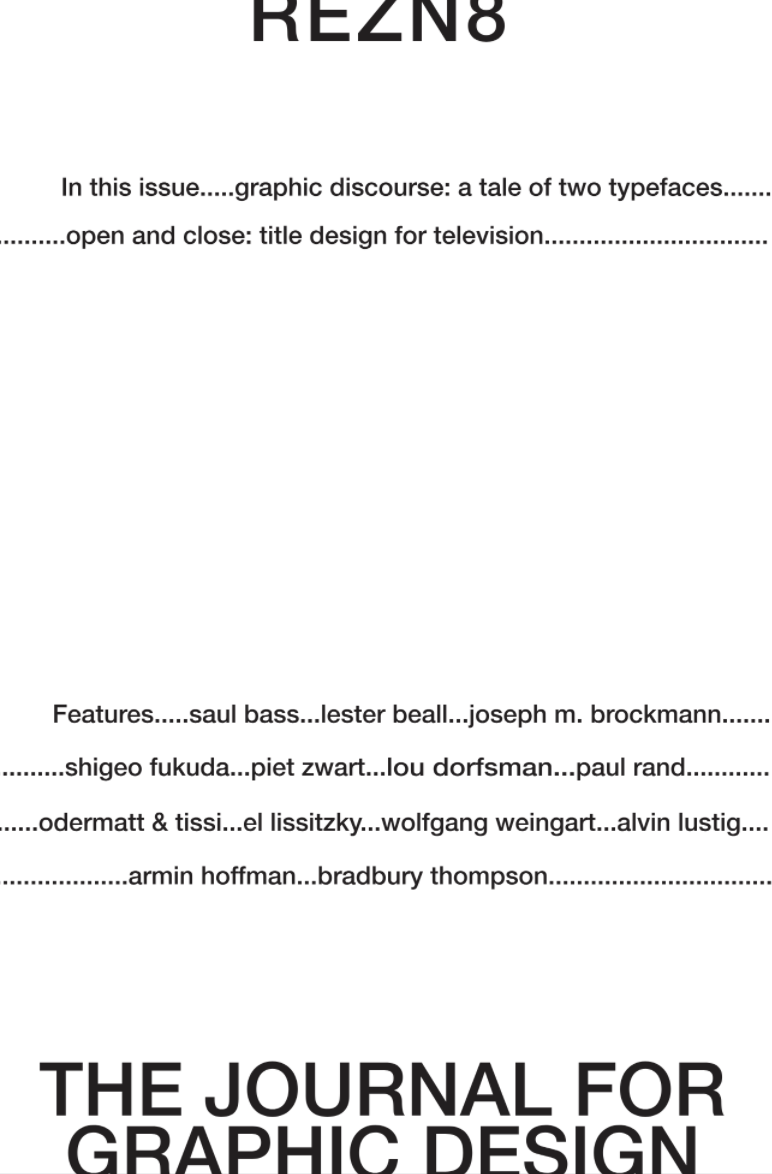
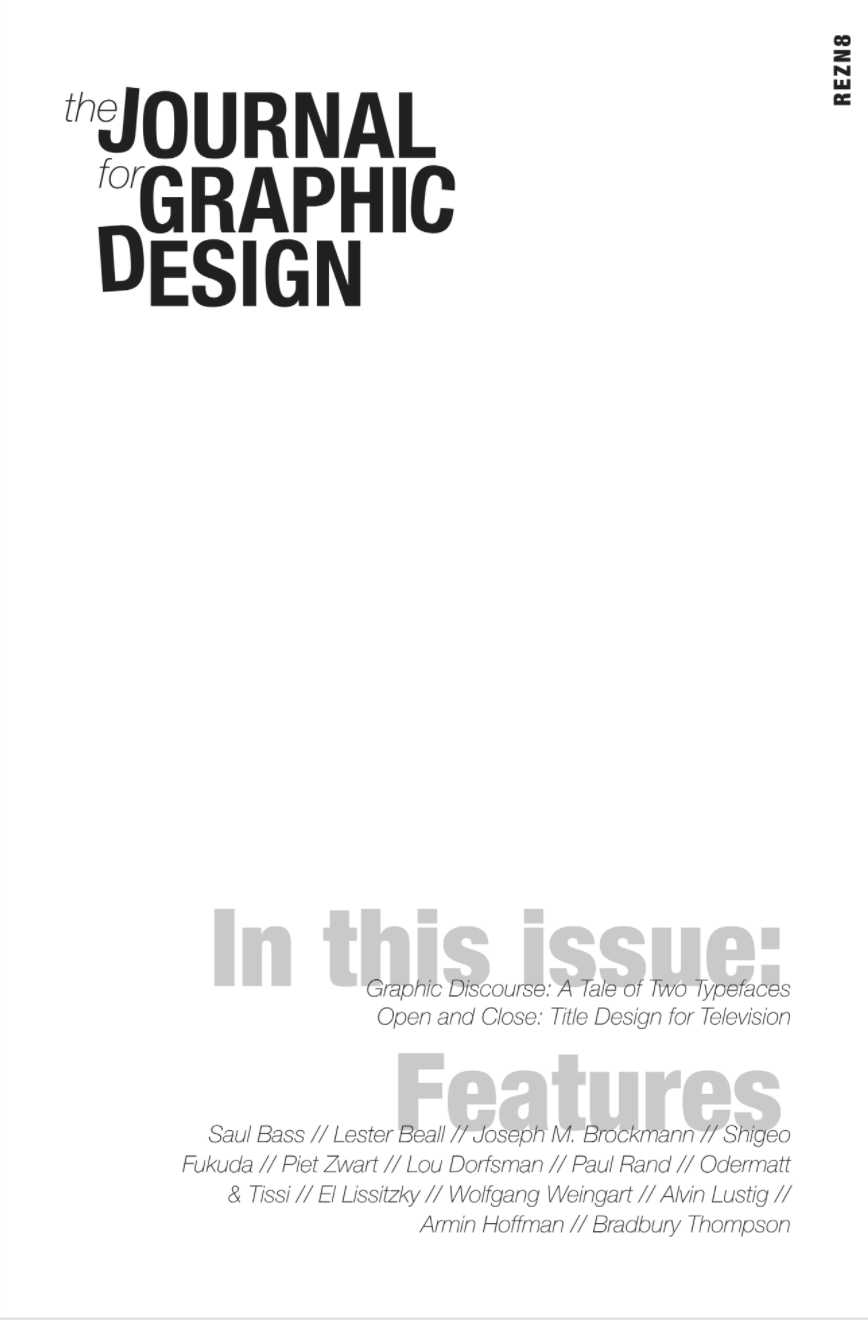
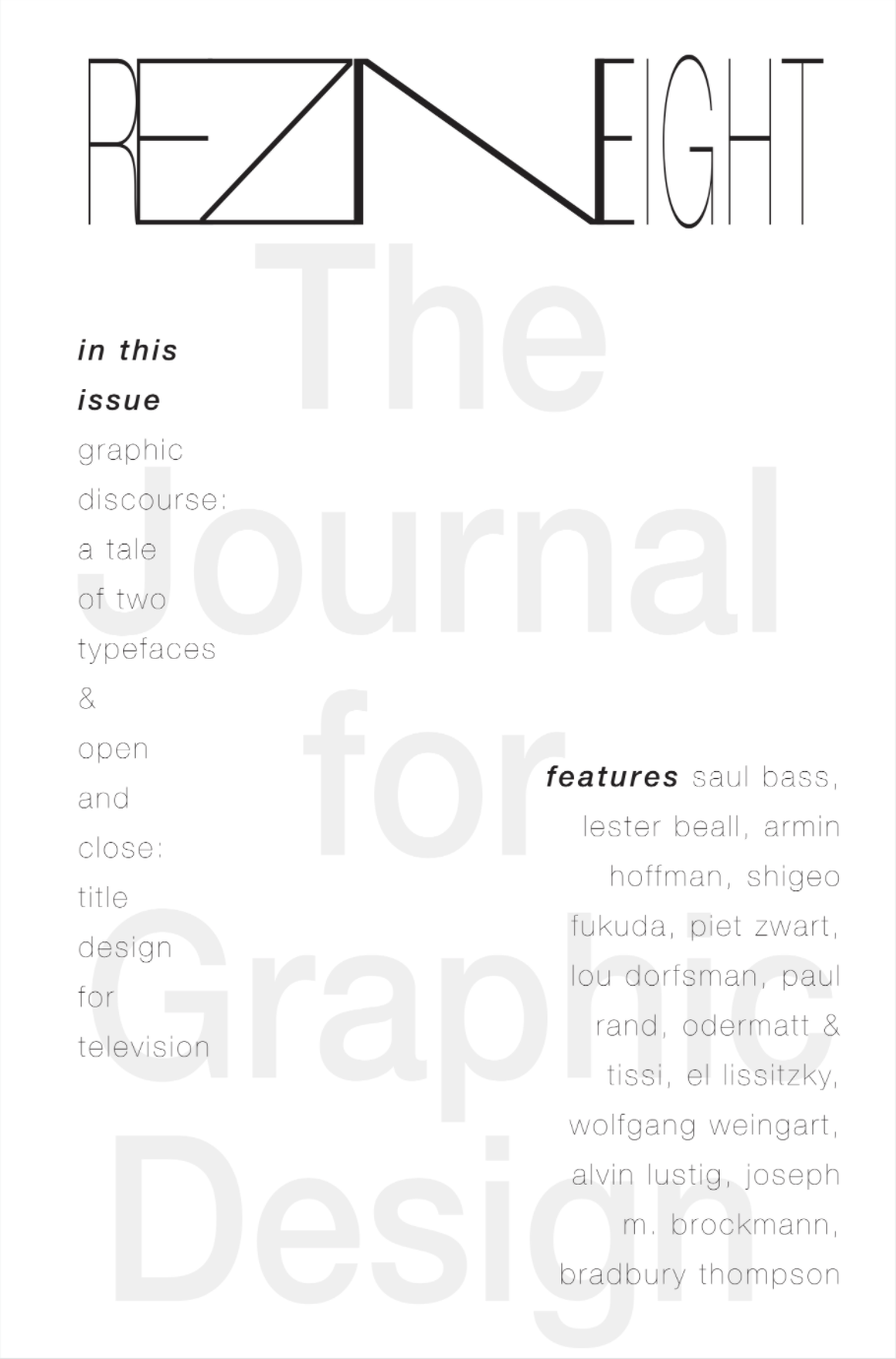
Project: Type Hunting
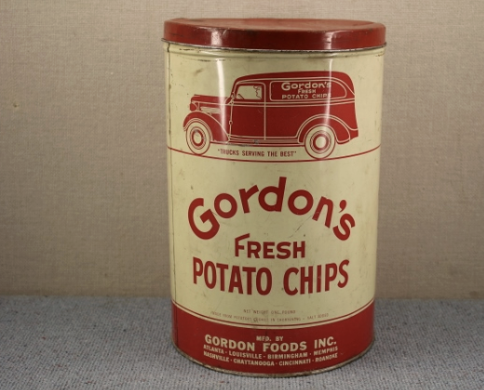
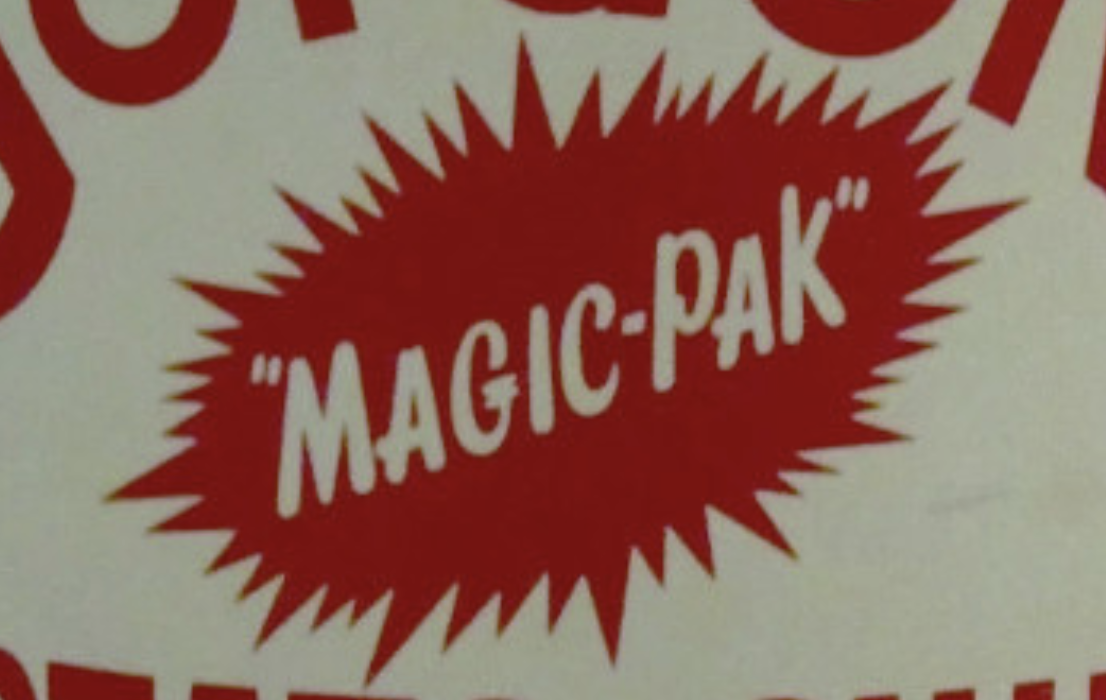
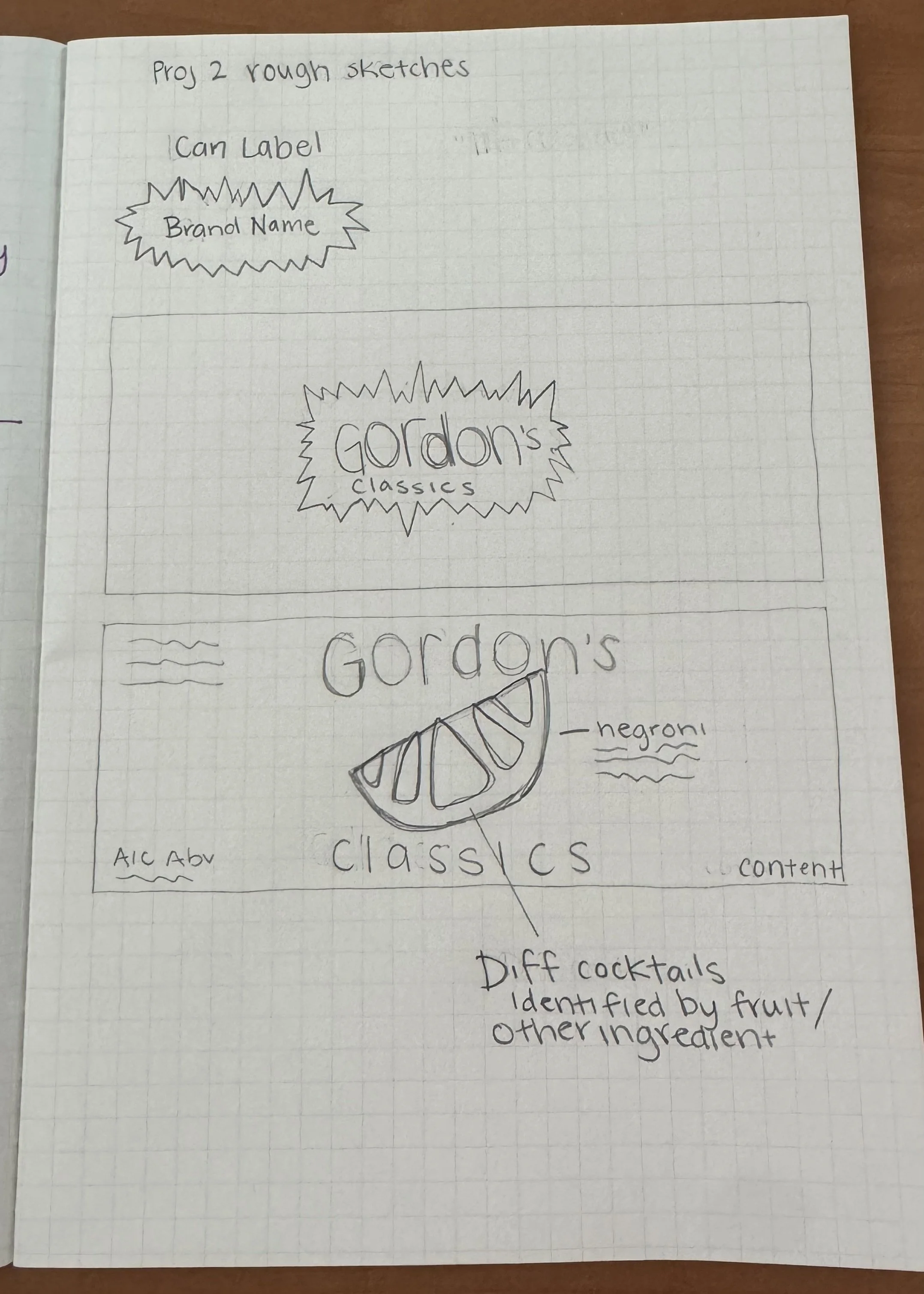
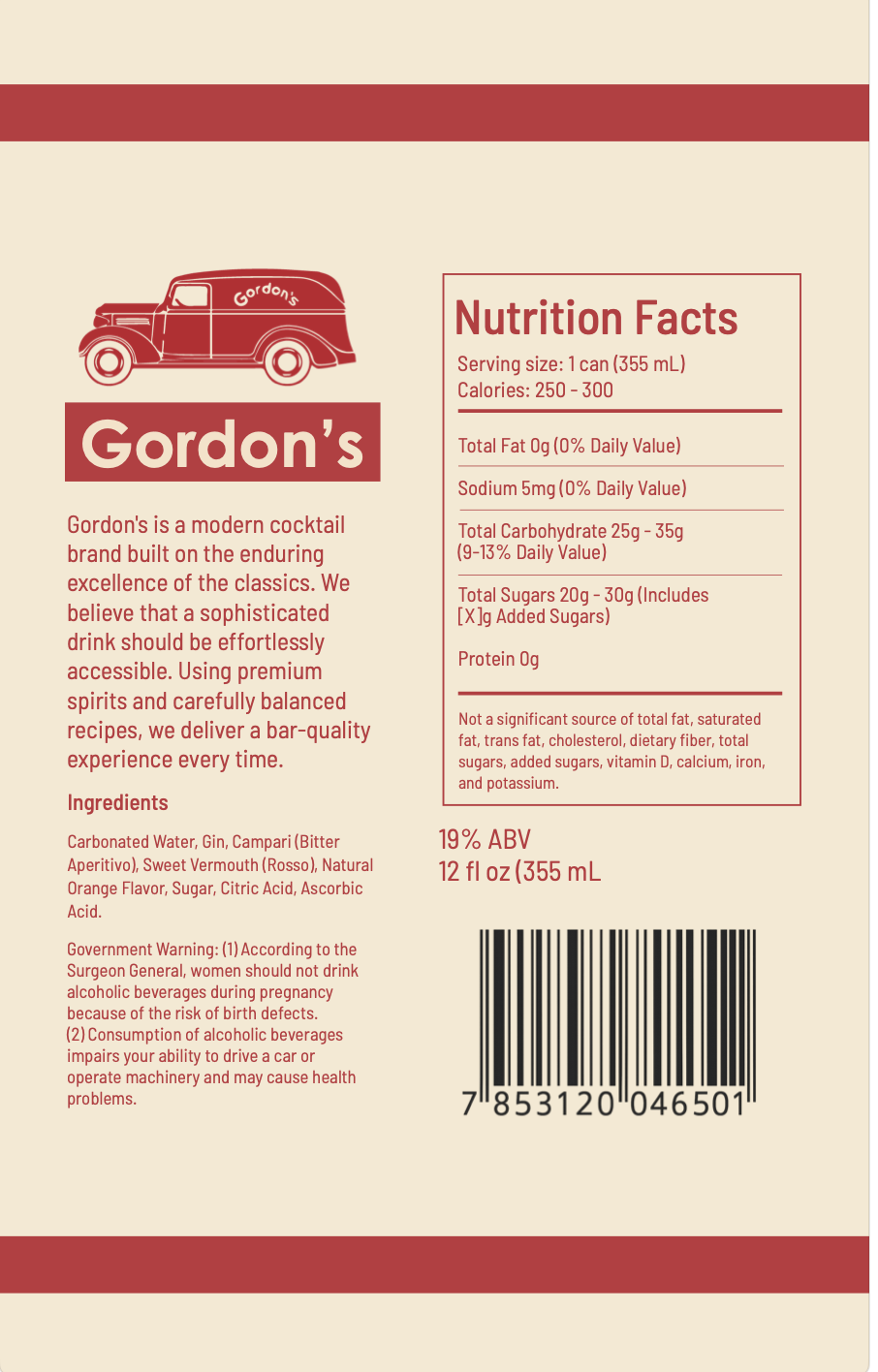
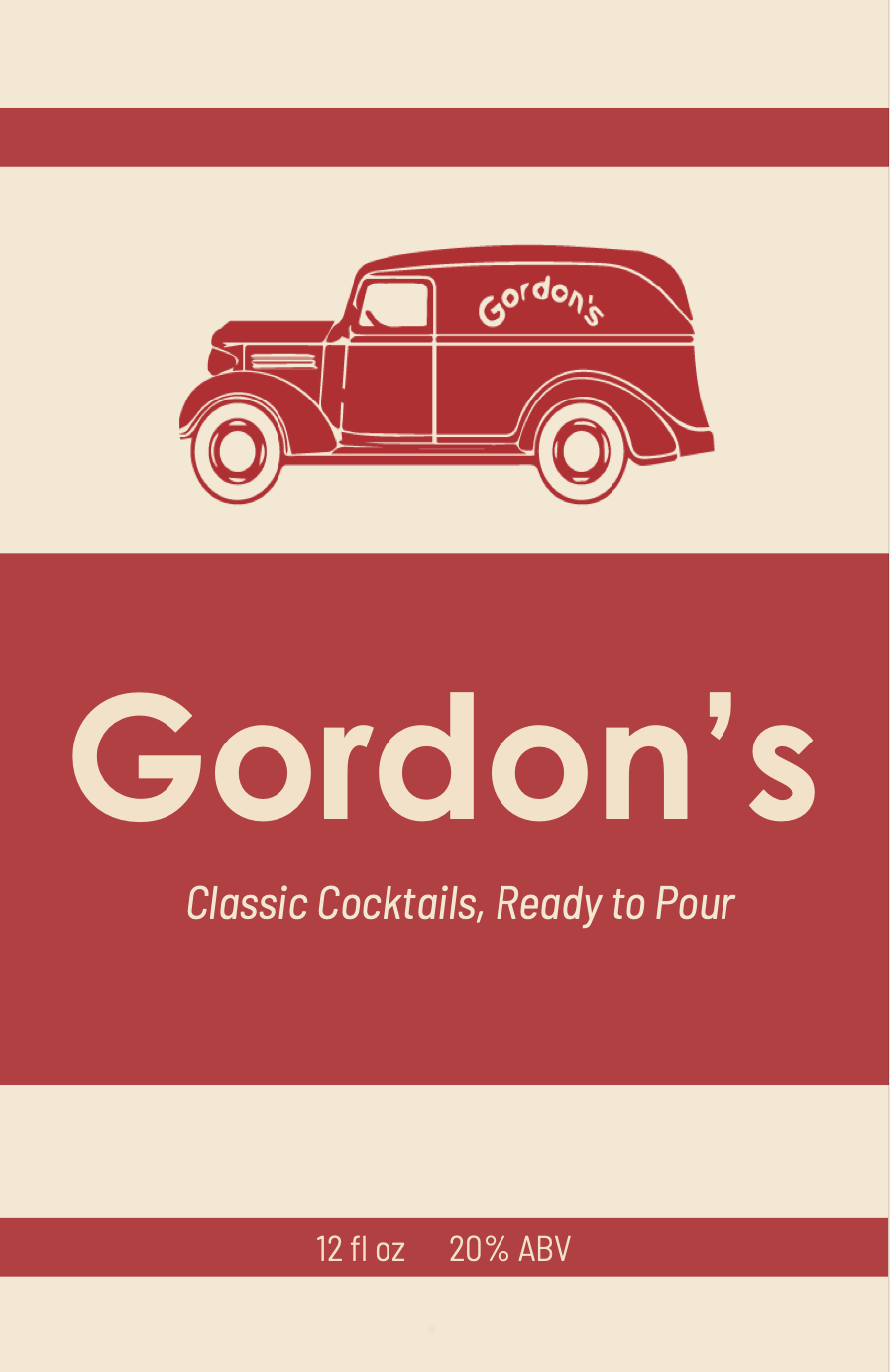
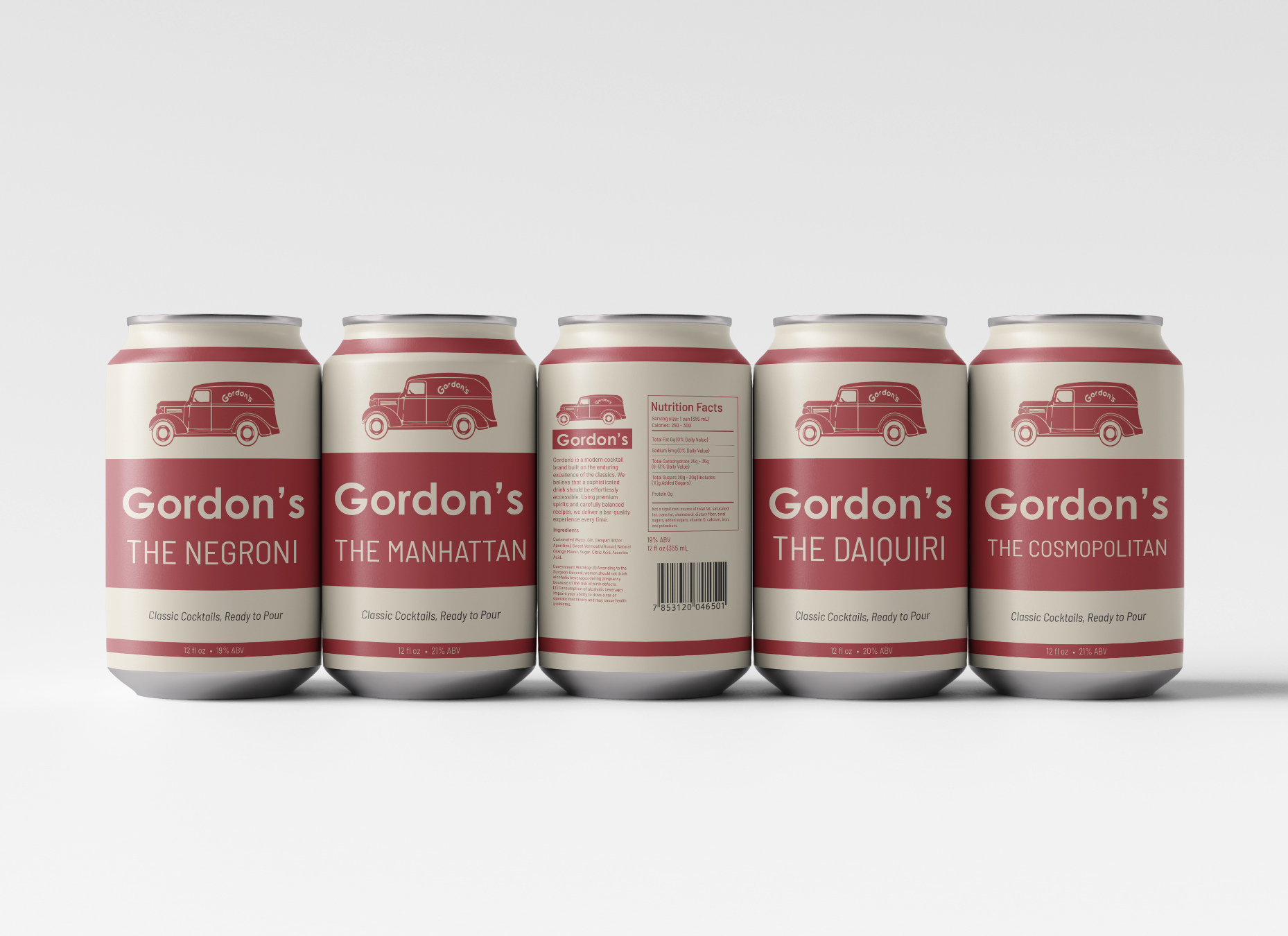
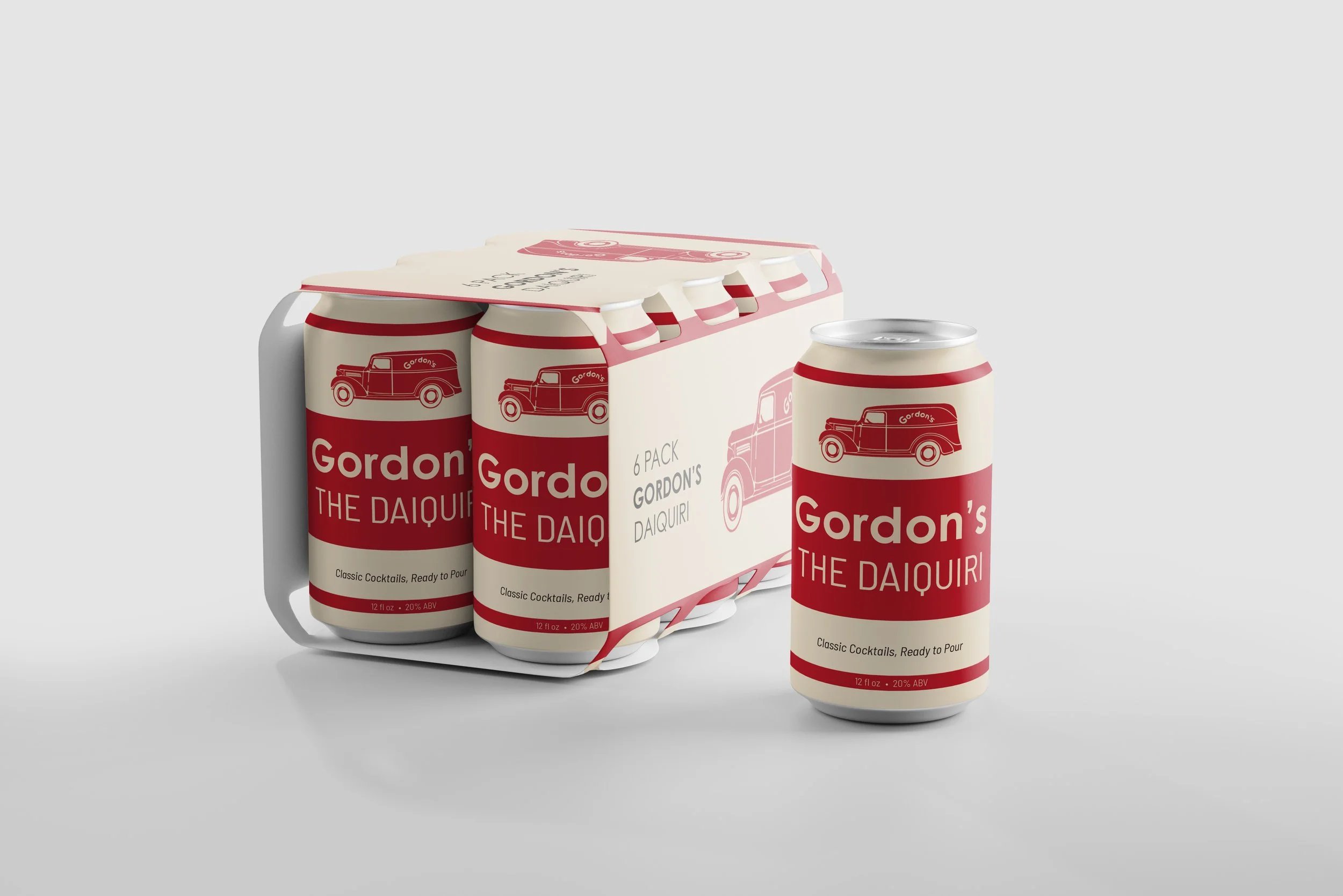
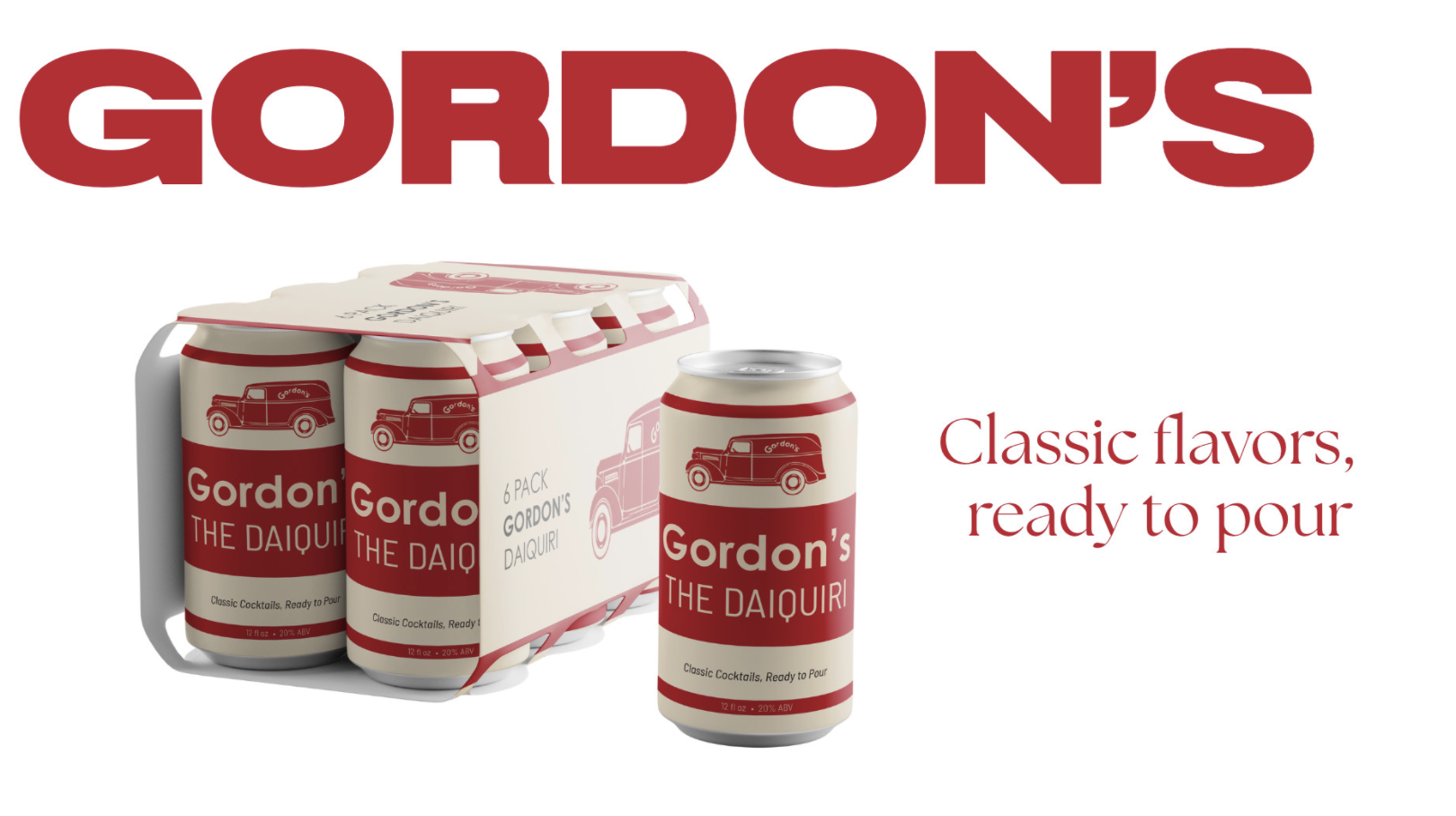
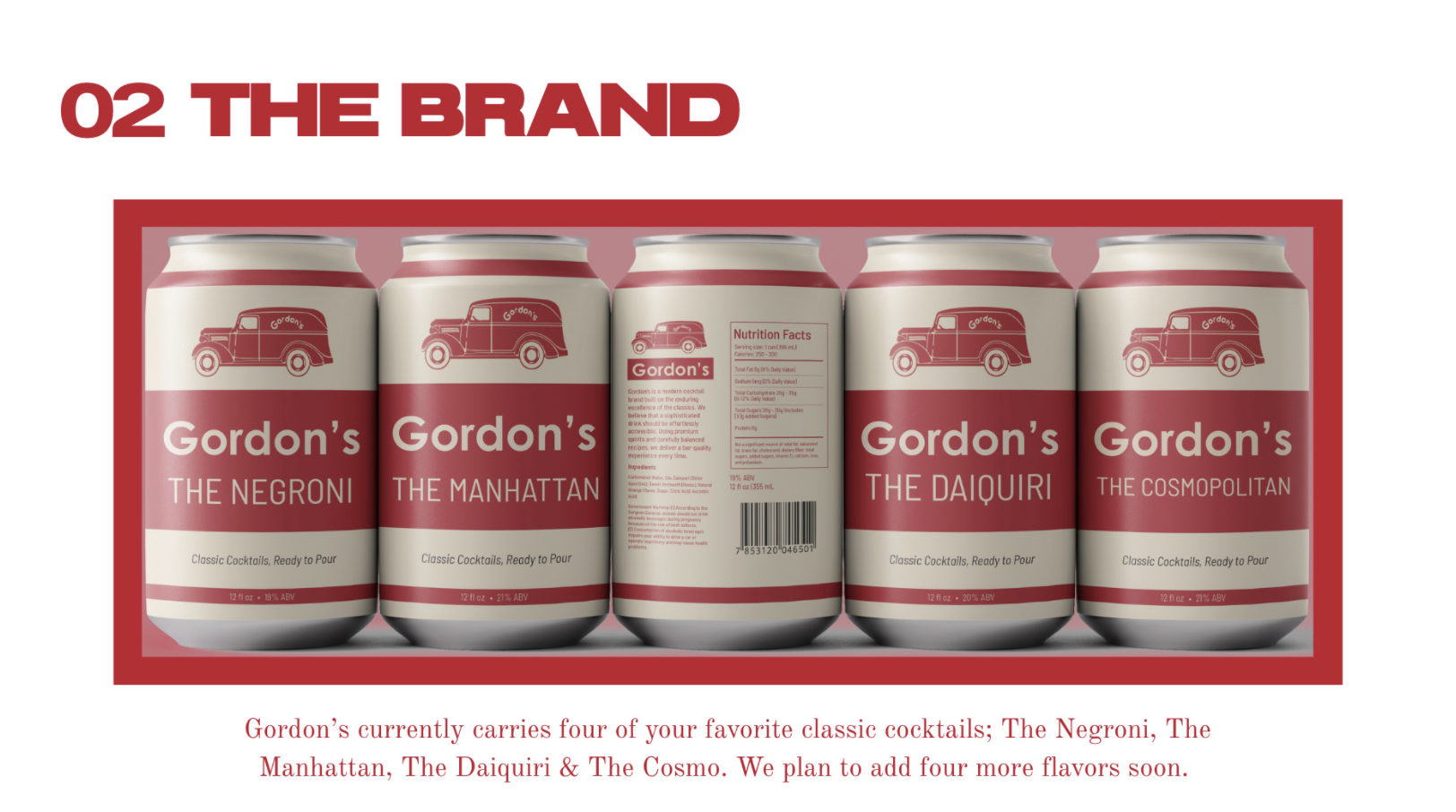
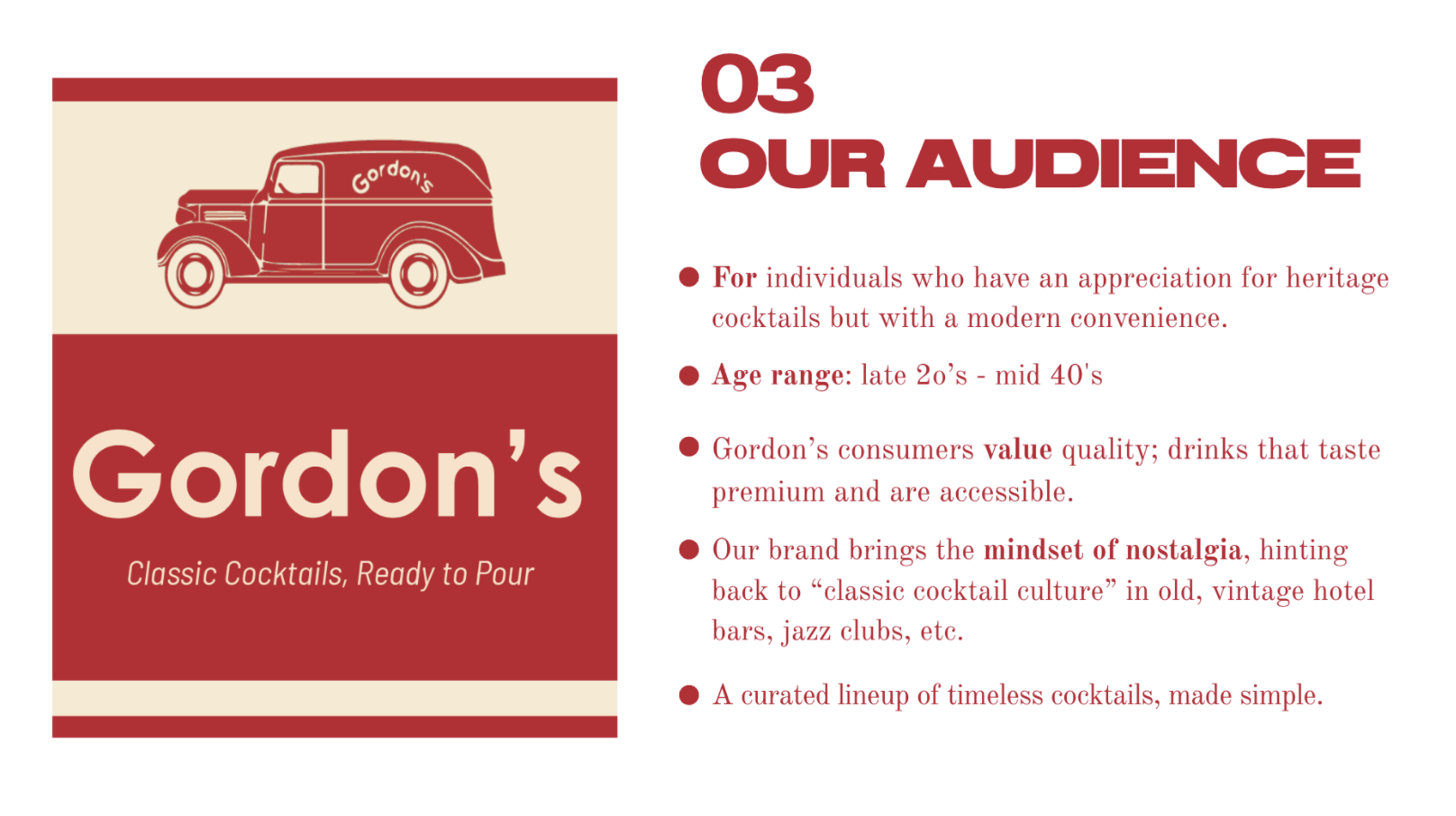
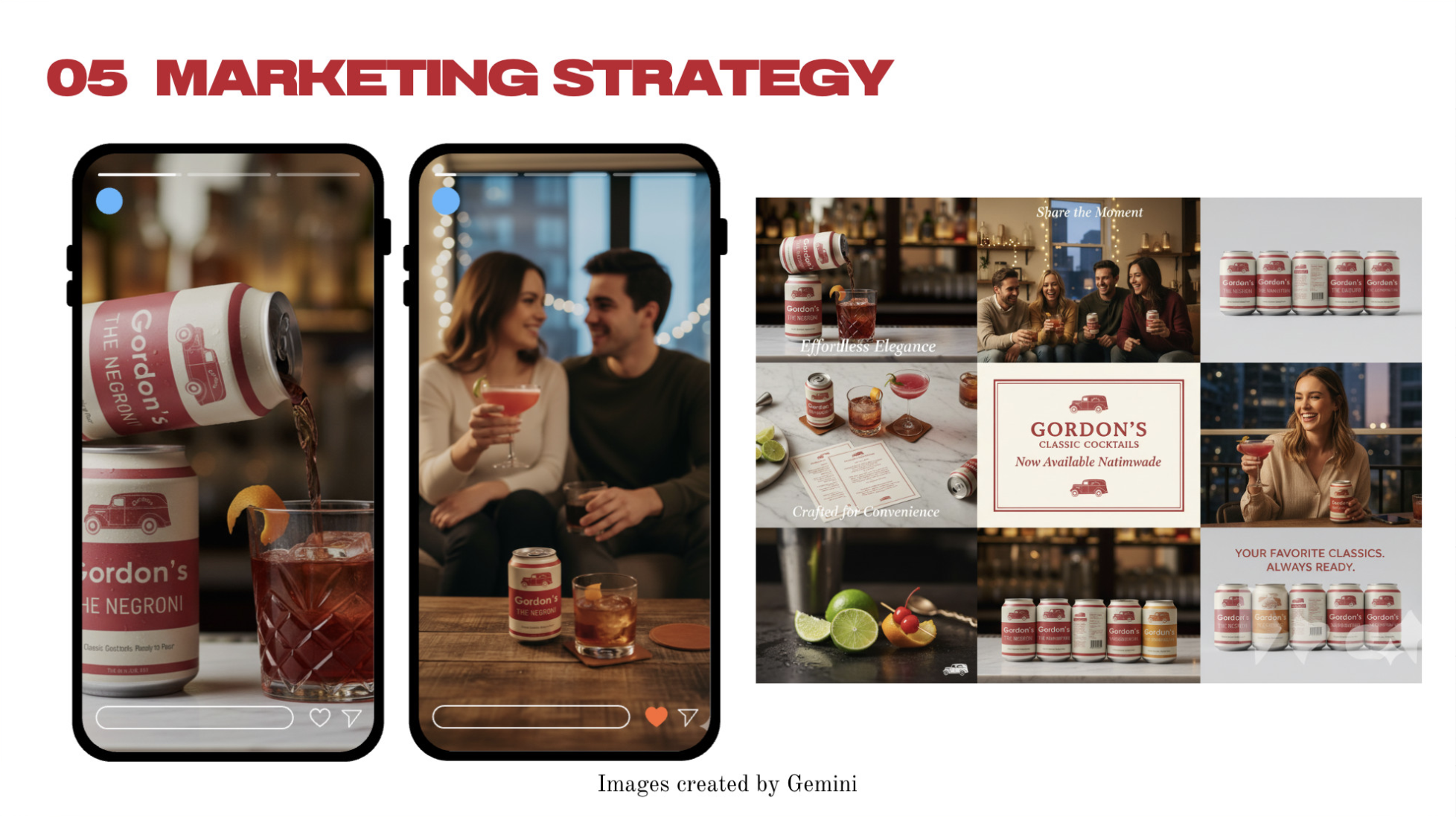
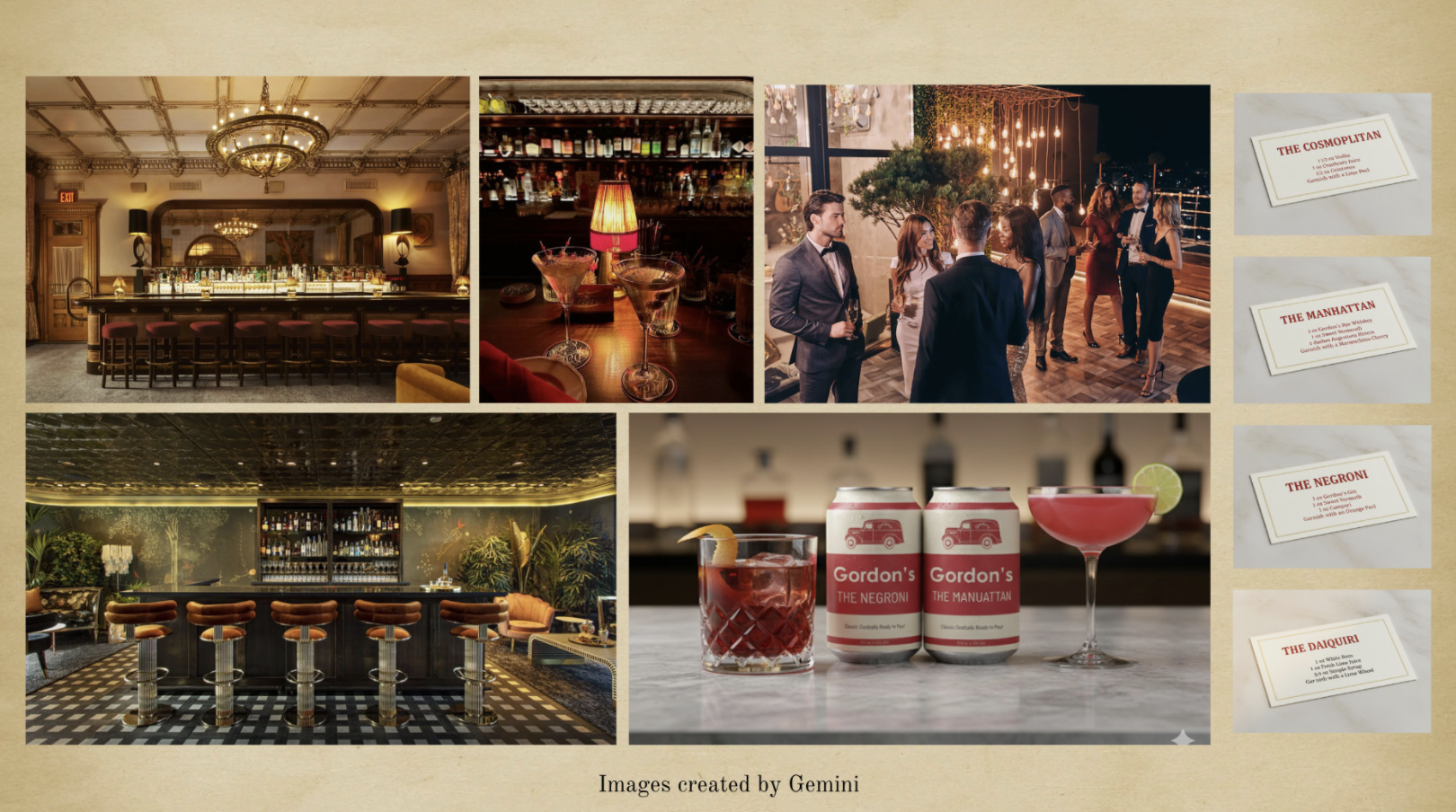
This project asks designers to revisit the typography and package design of a bygone era. Starting from a historic label found on (IG) @Typehunting, the goal is to update and modernize it while keeping the general foundations of the original. The new label reflects a personal narrative critique and design statement, supported by font research, a written statement, and at least three sketches. The final label is designed digitally in Adobe Illustrator or InDesign, applied to a cylinder can, tin box, or pouch mockup, and refined through critique feedback.
Project: Cookbook
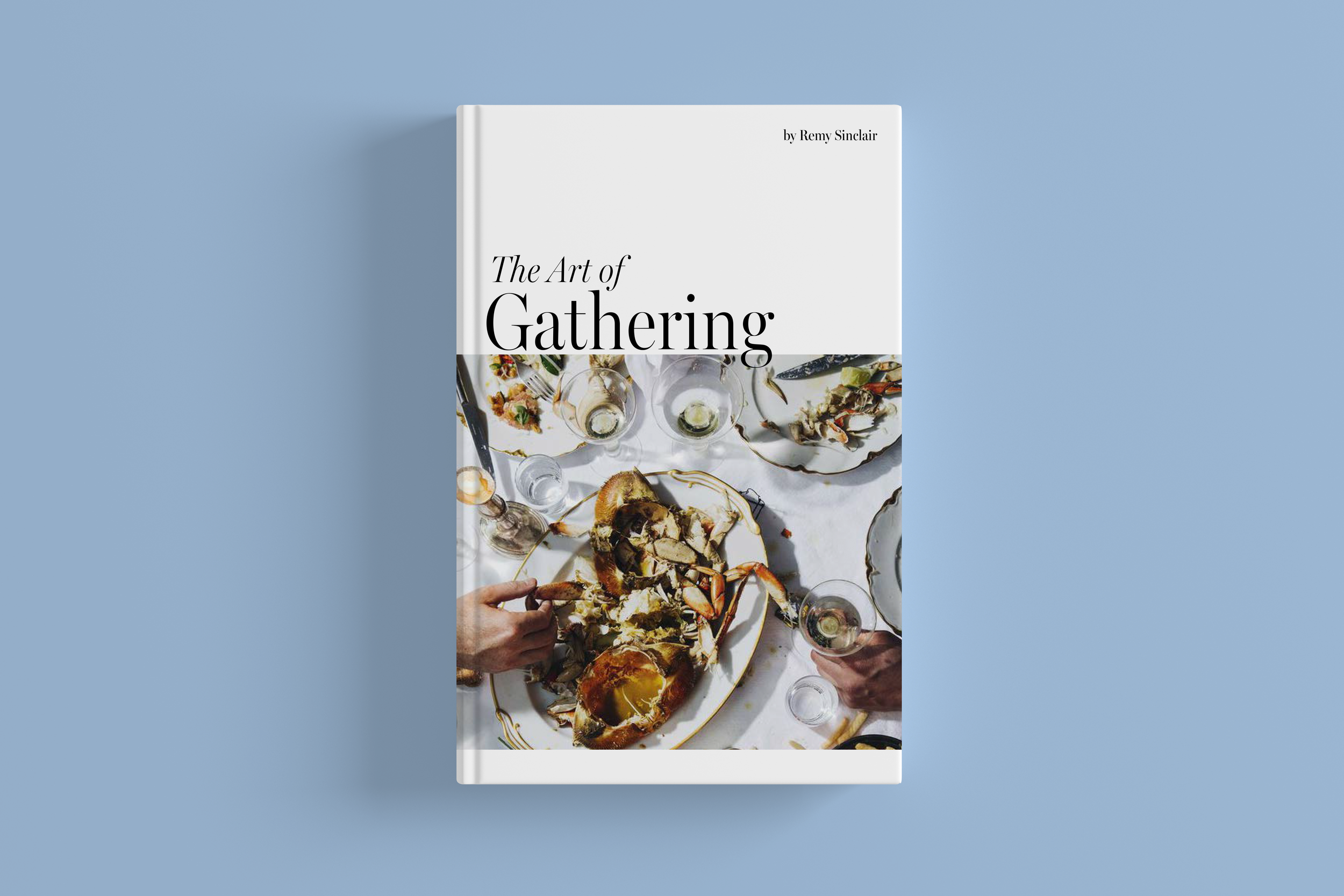
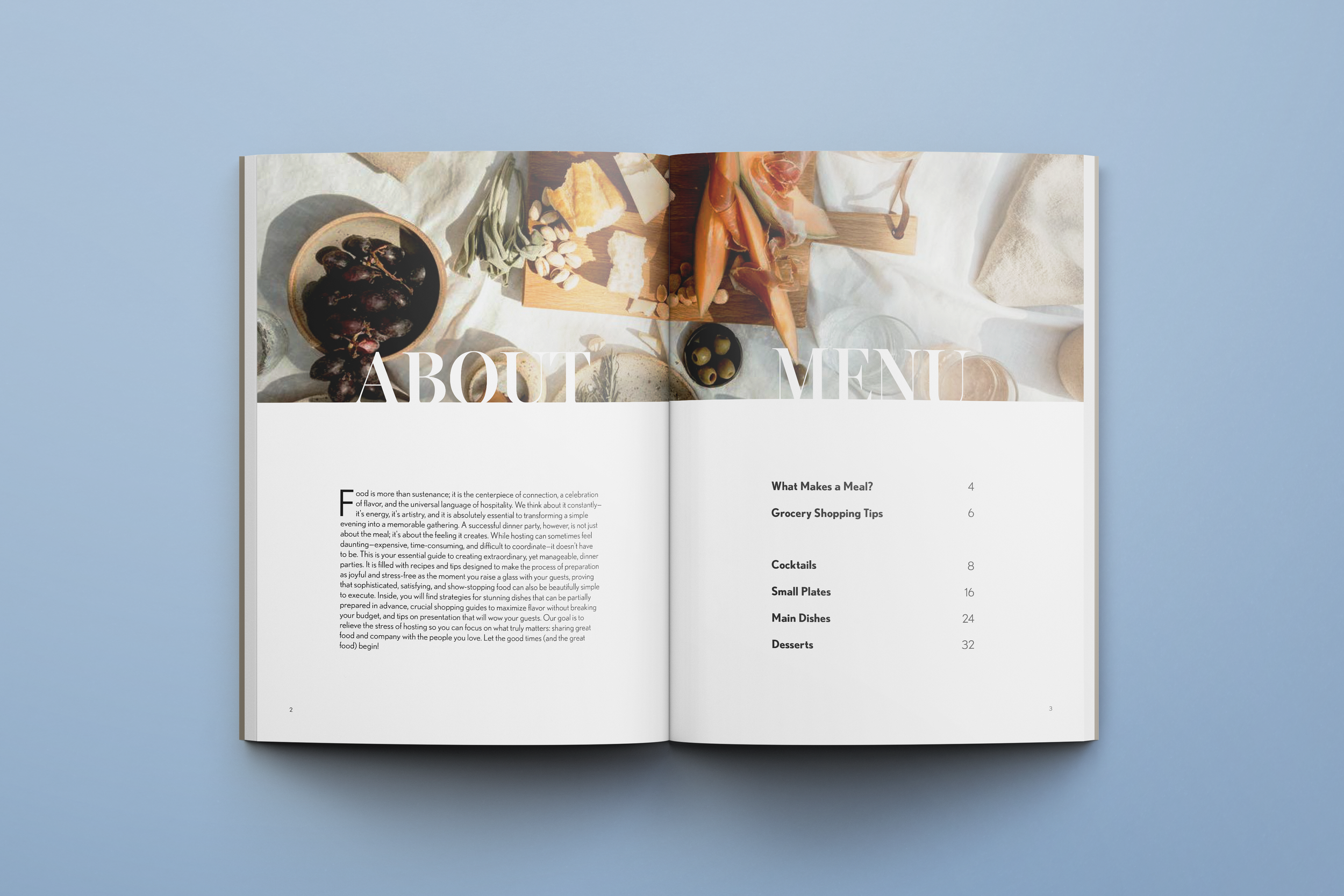
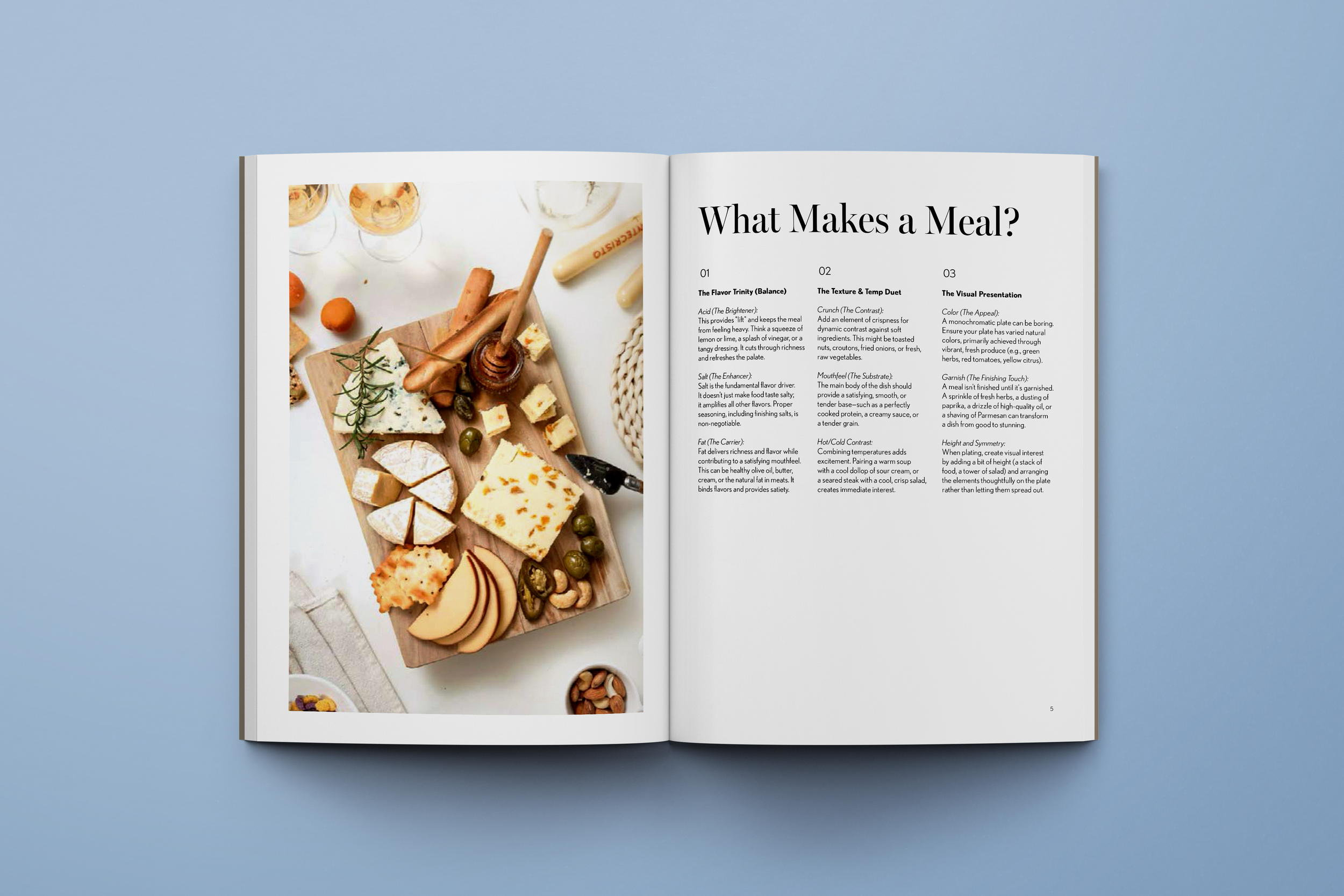
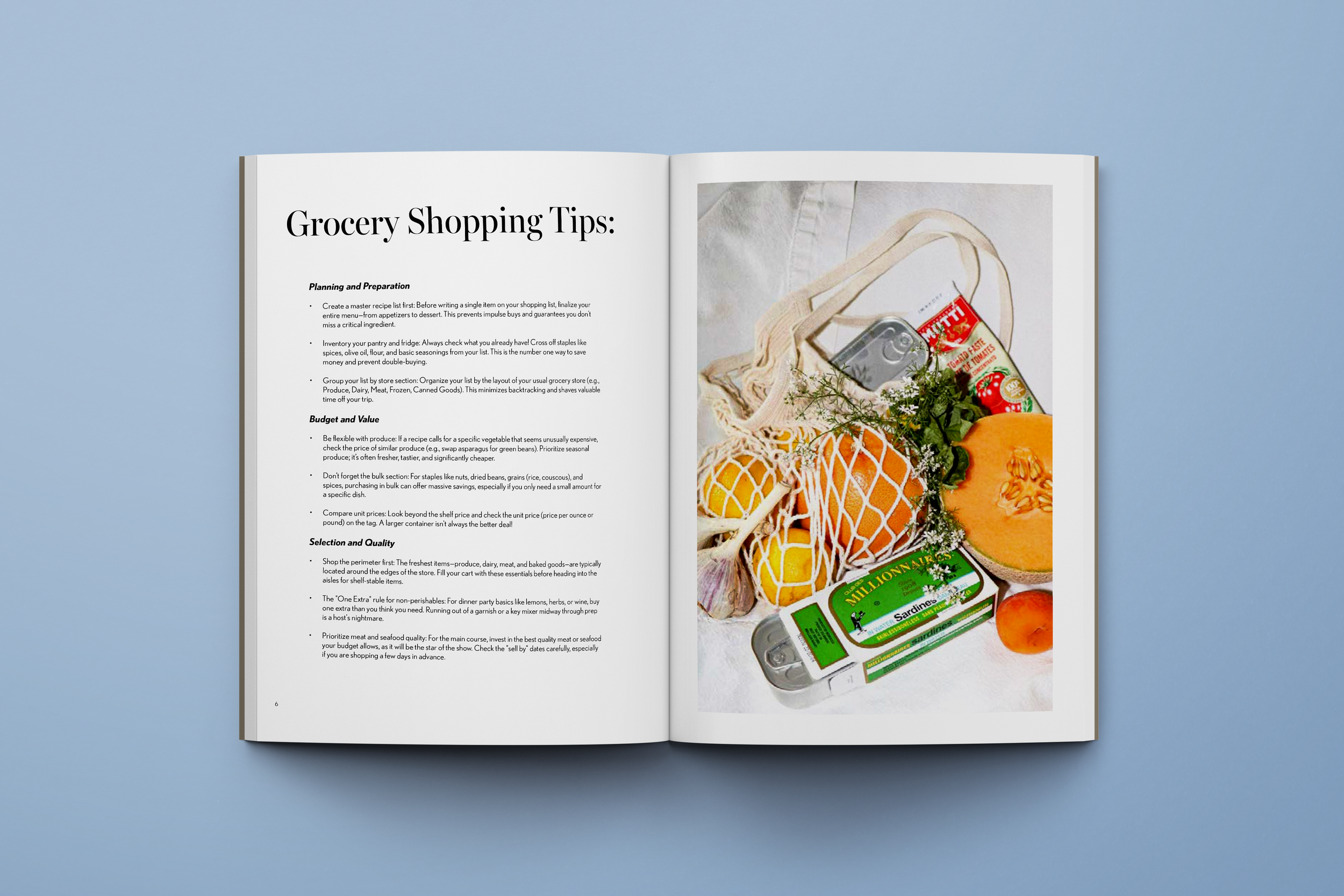
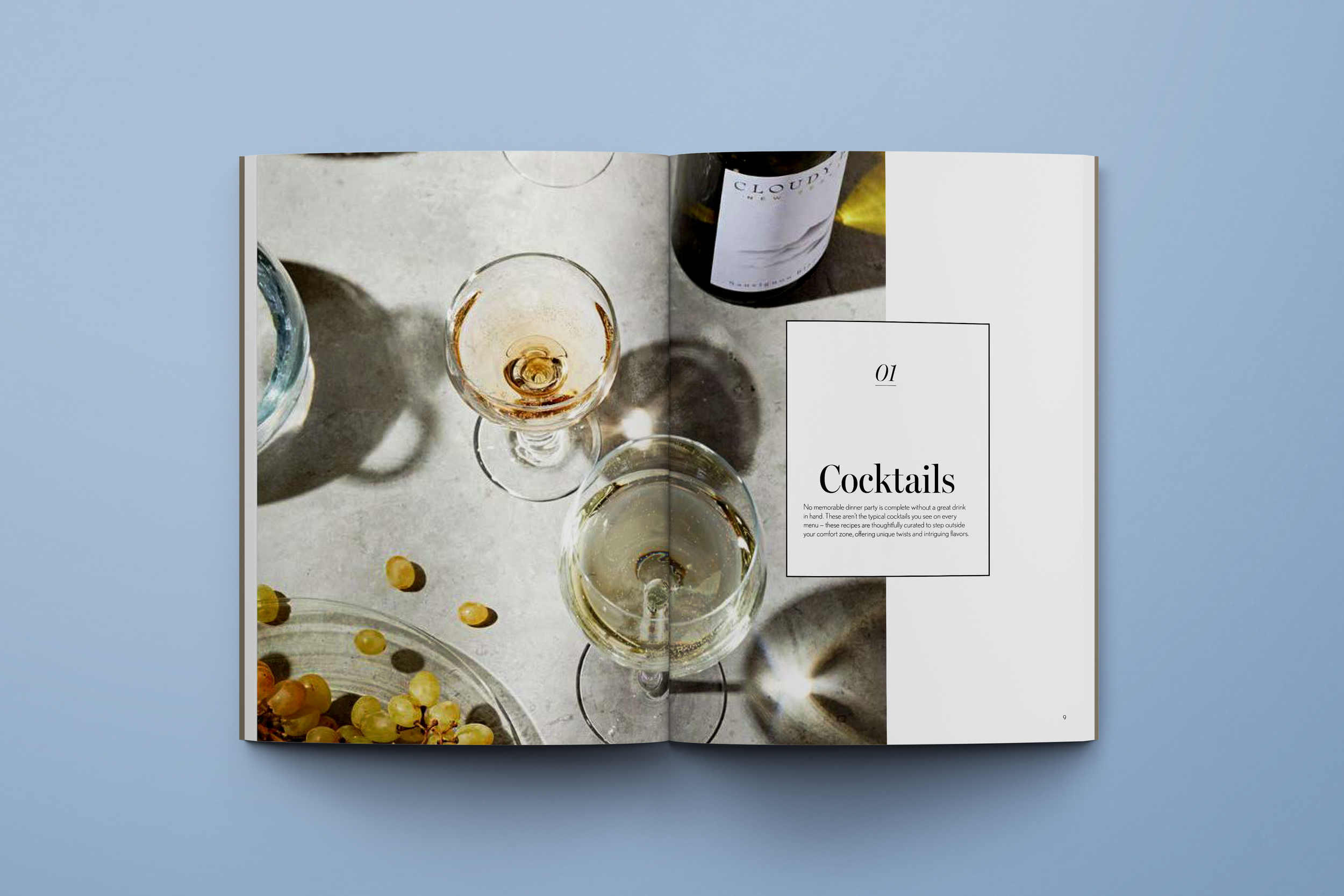
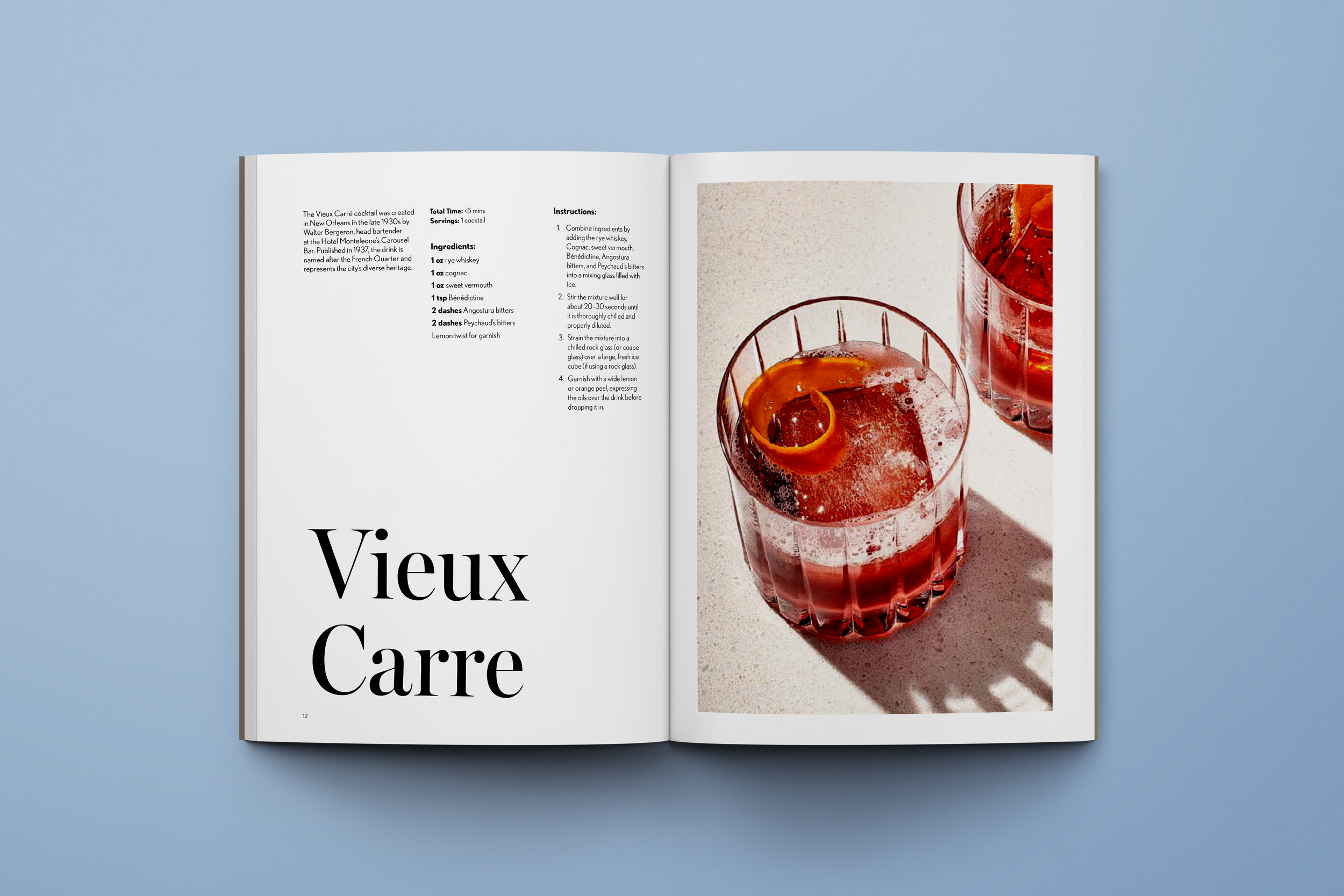
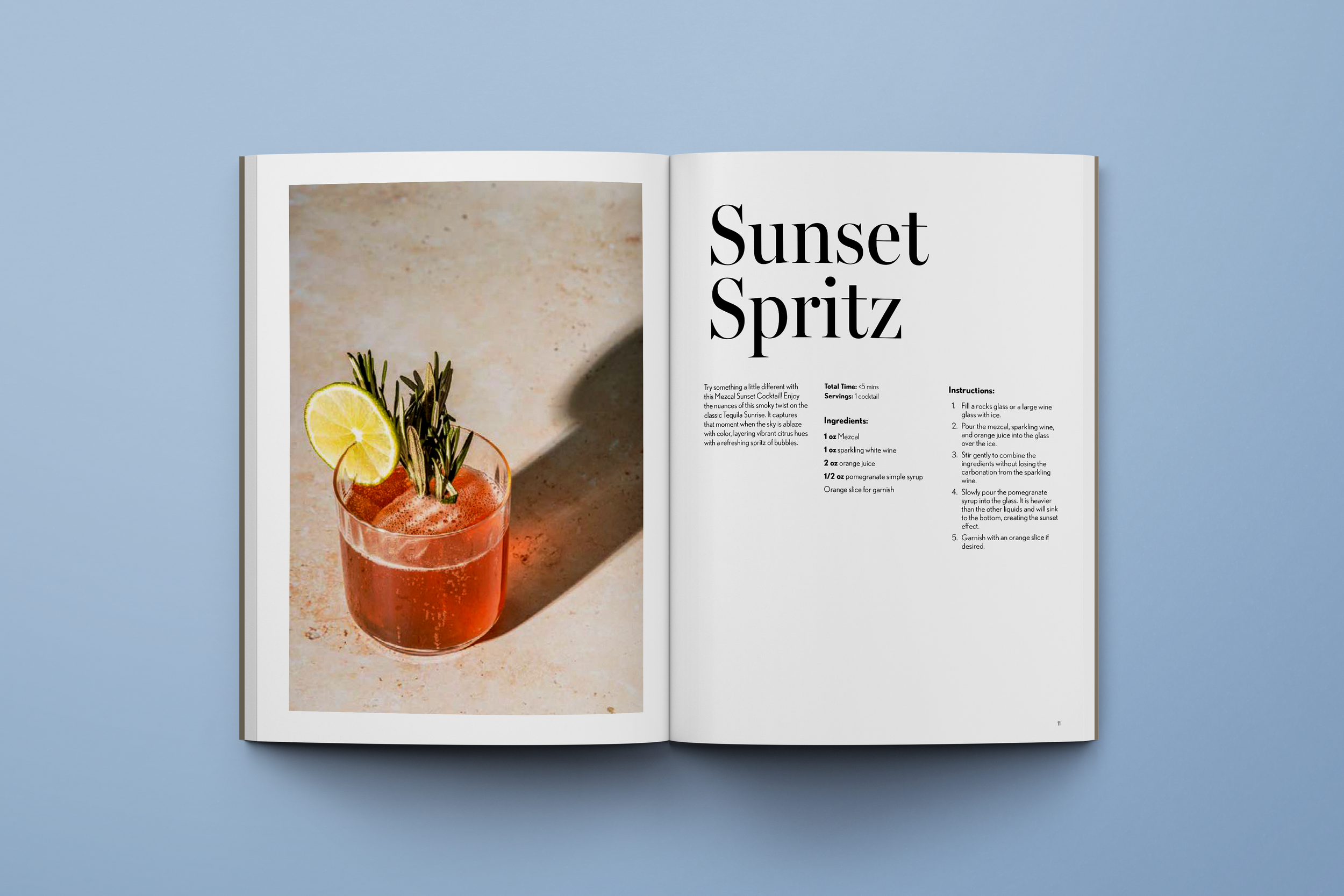
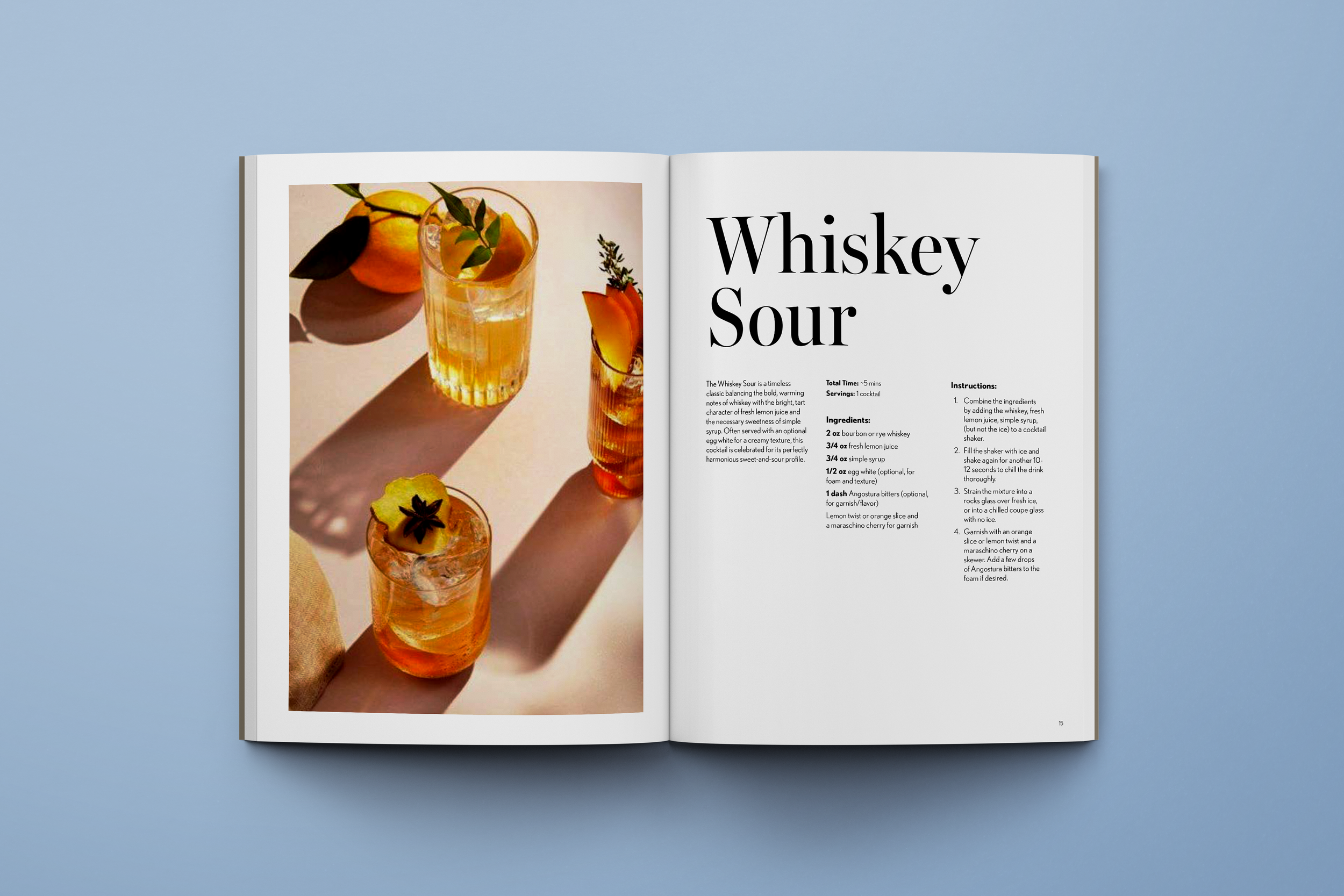
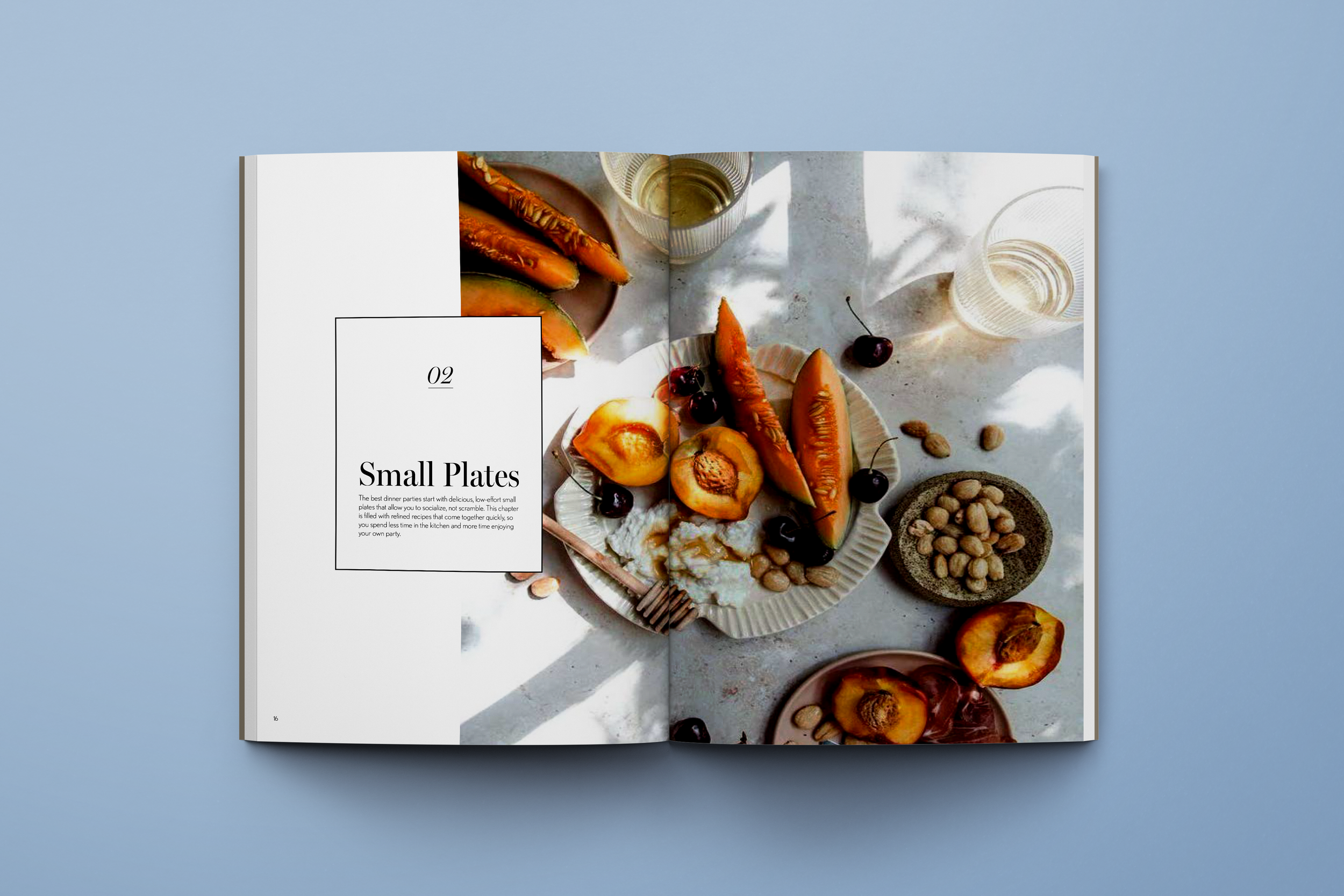
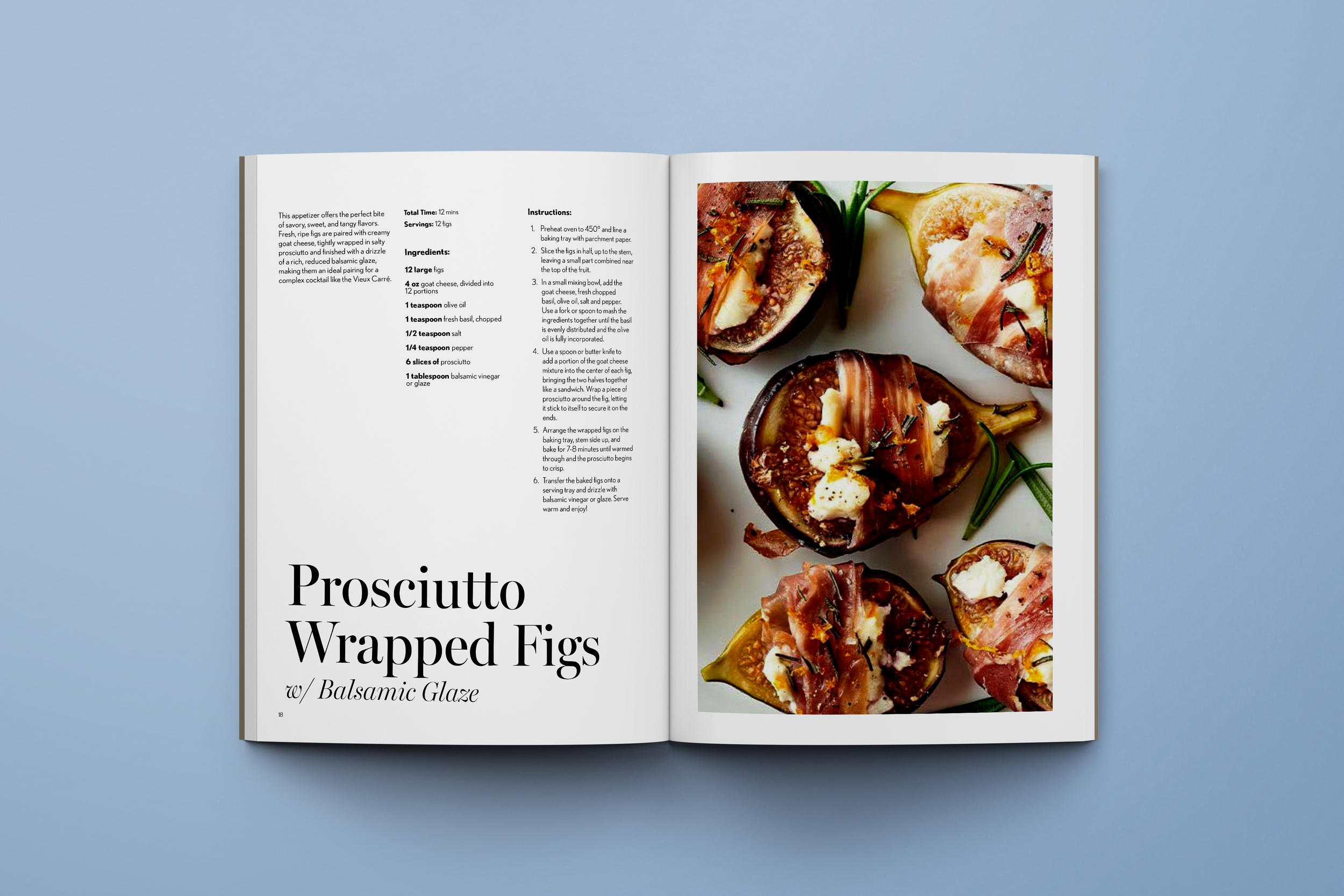
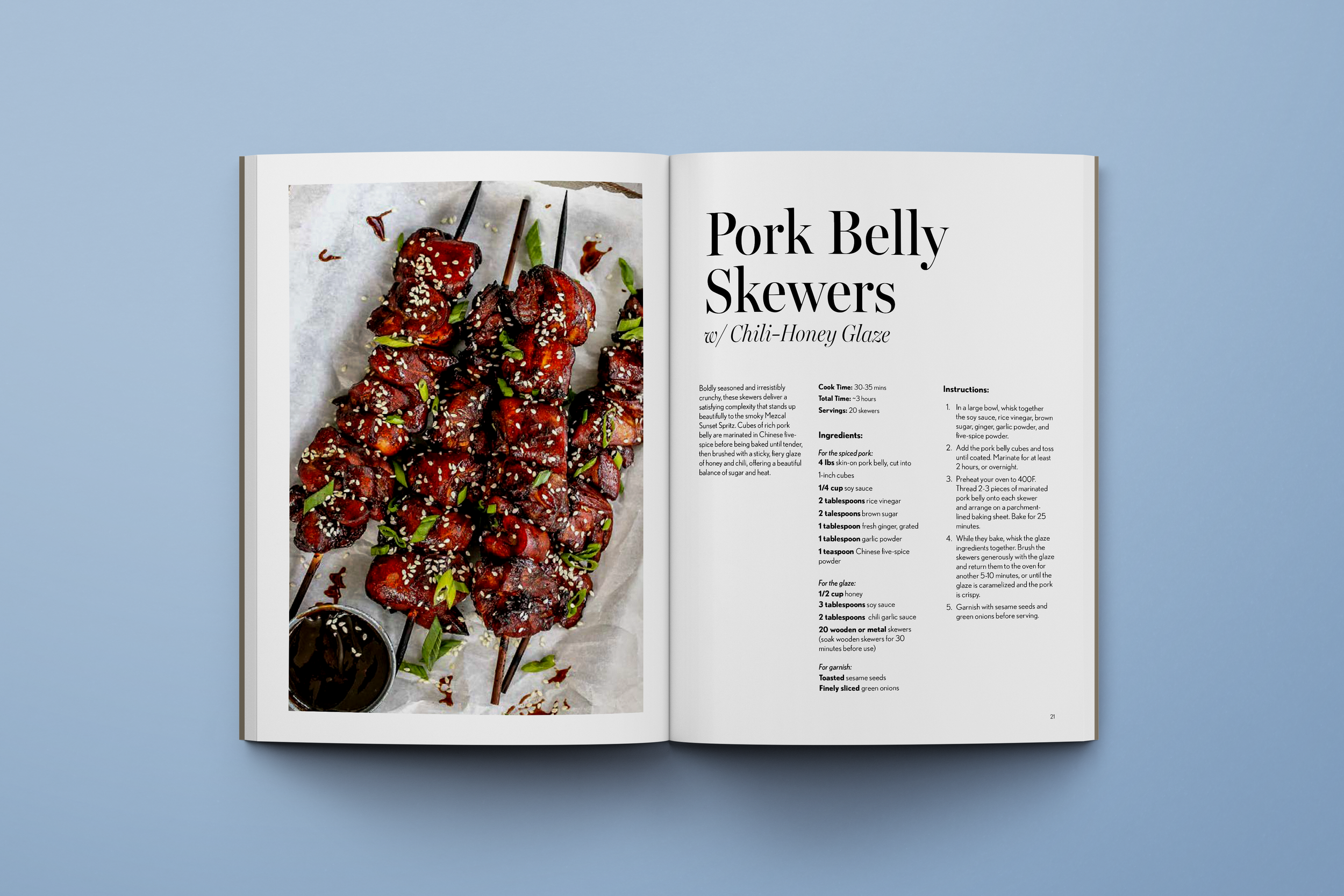
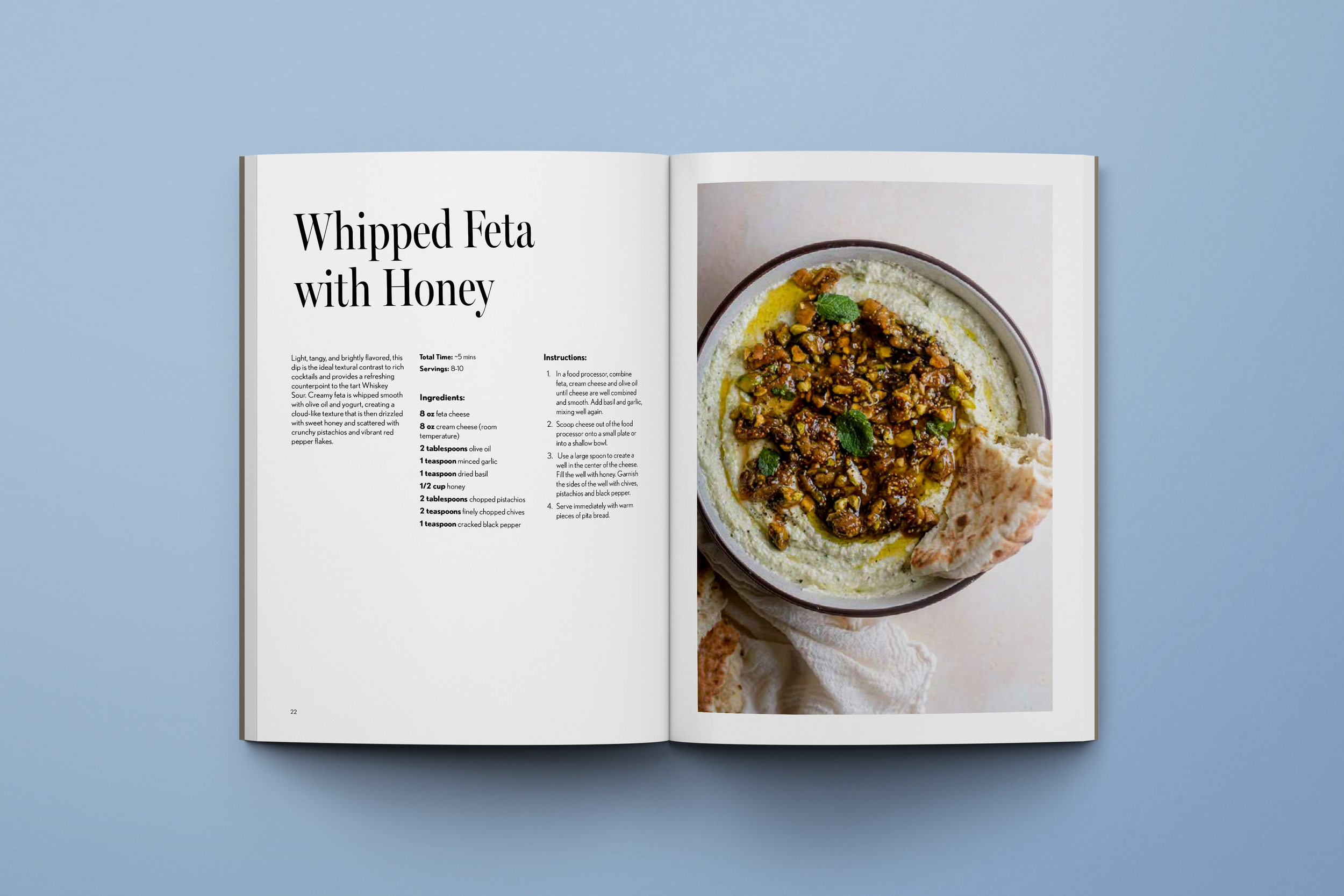
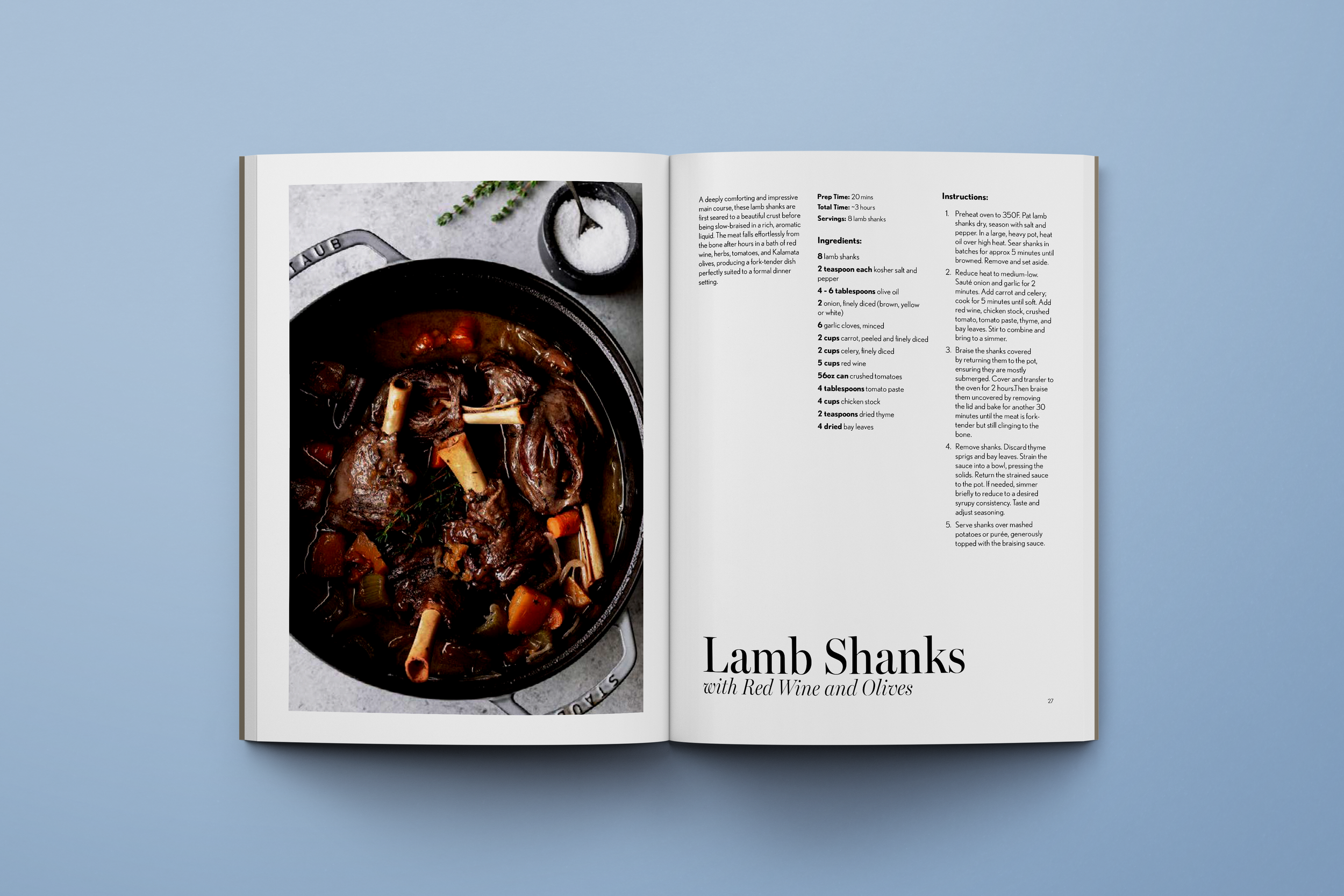
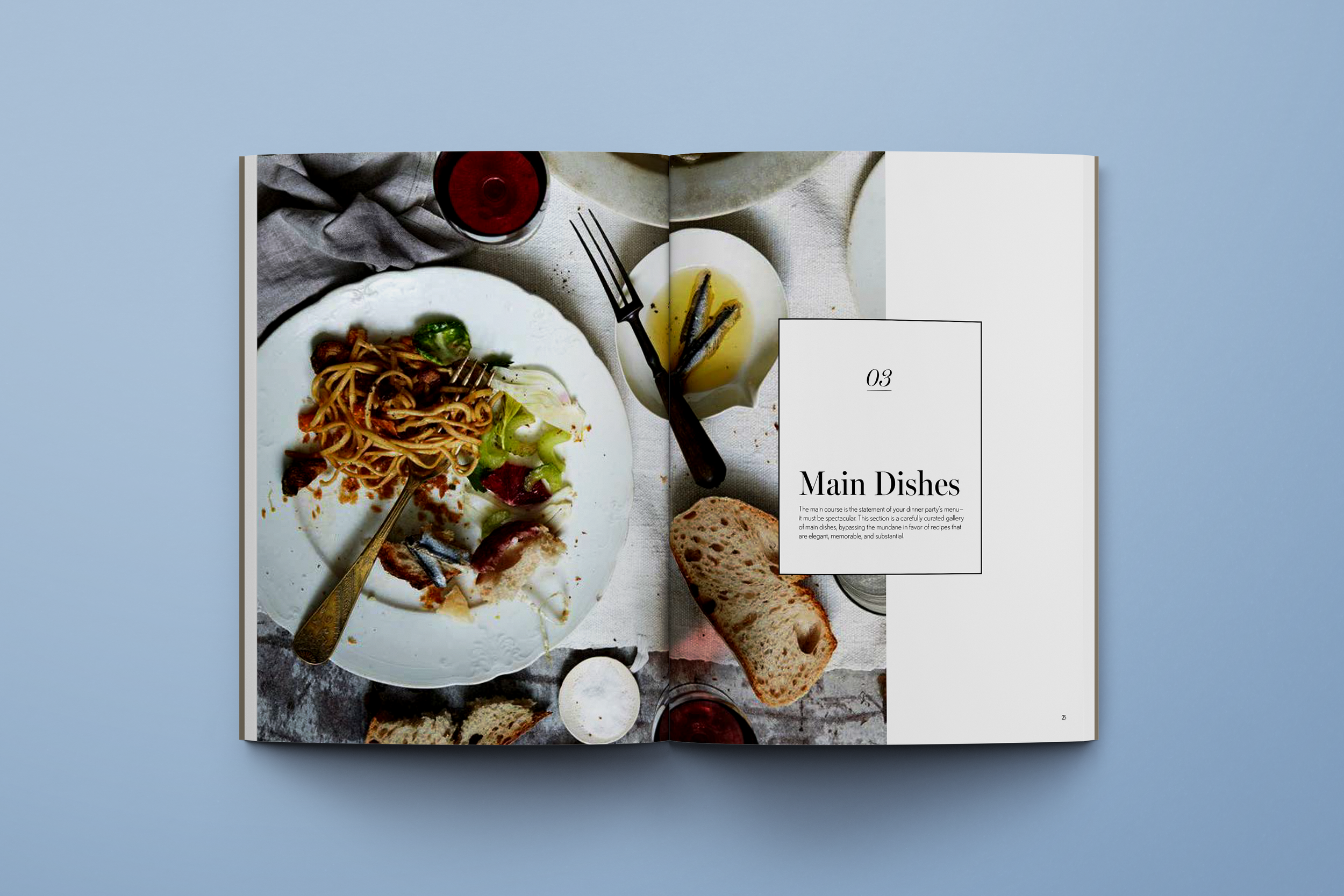
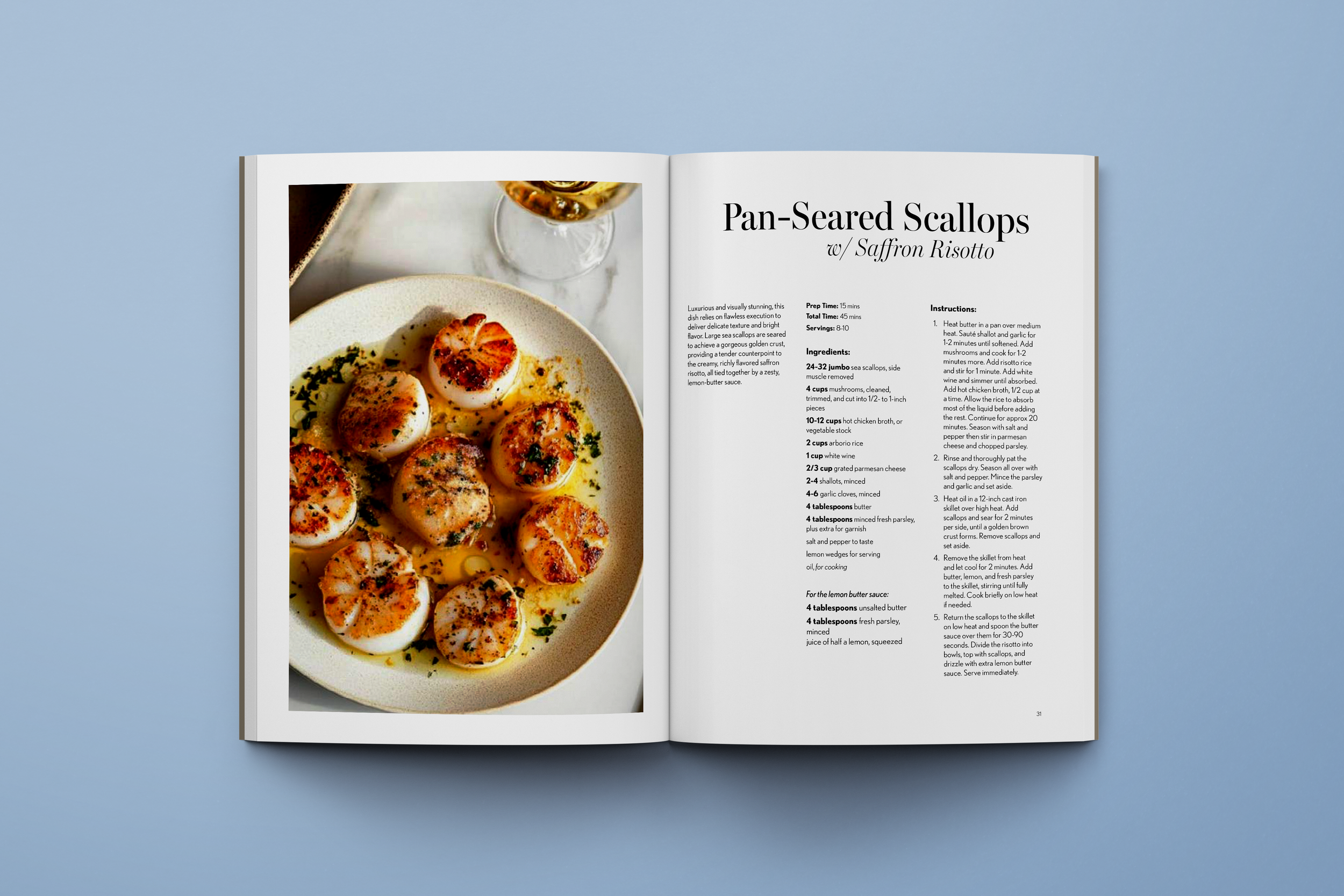
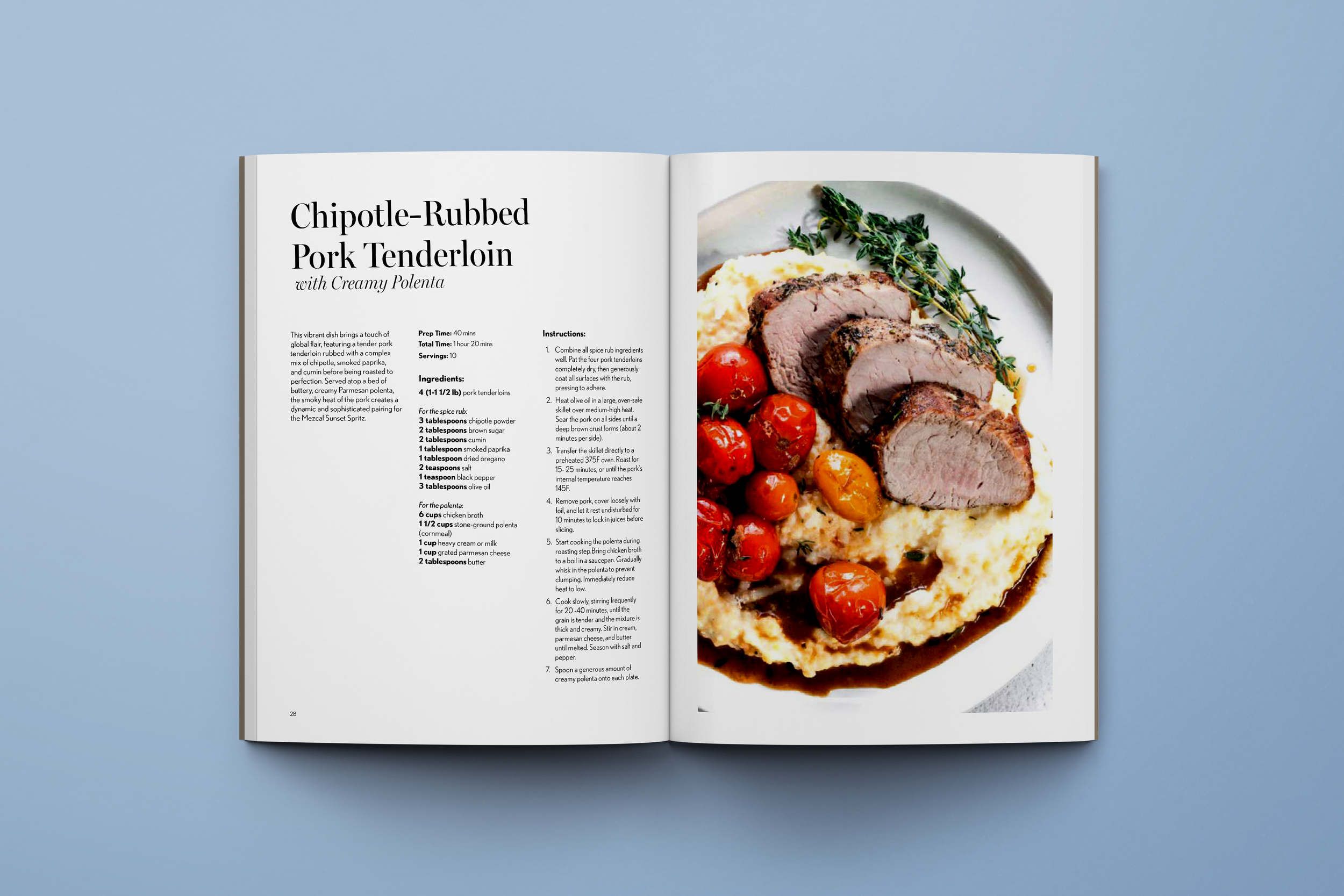
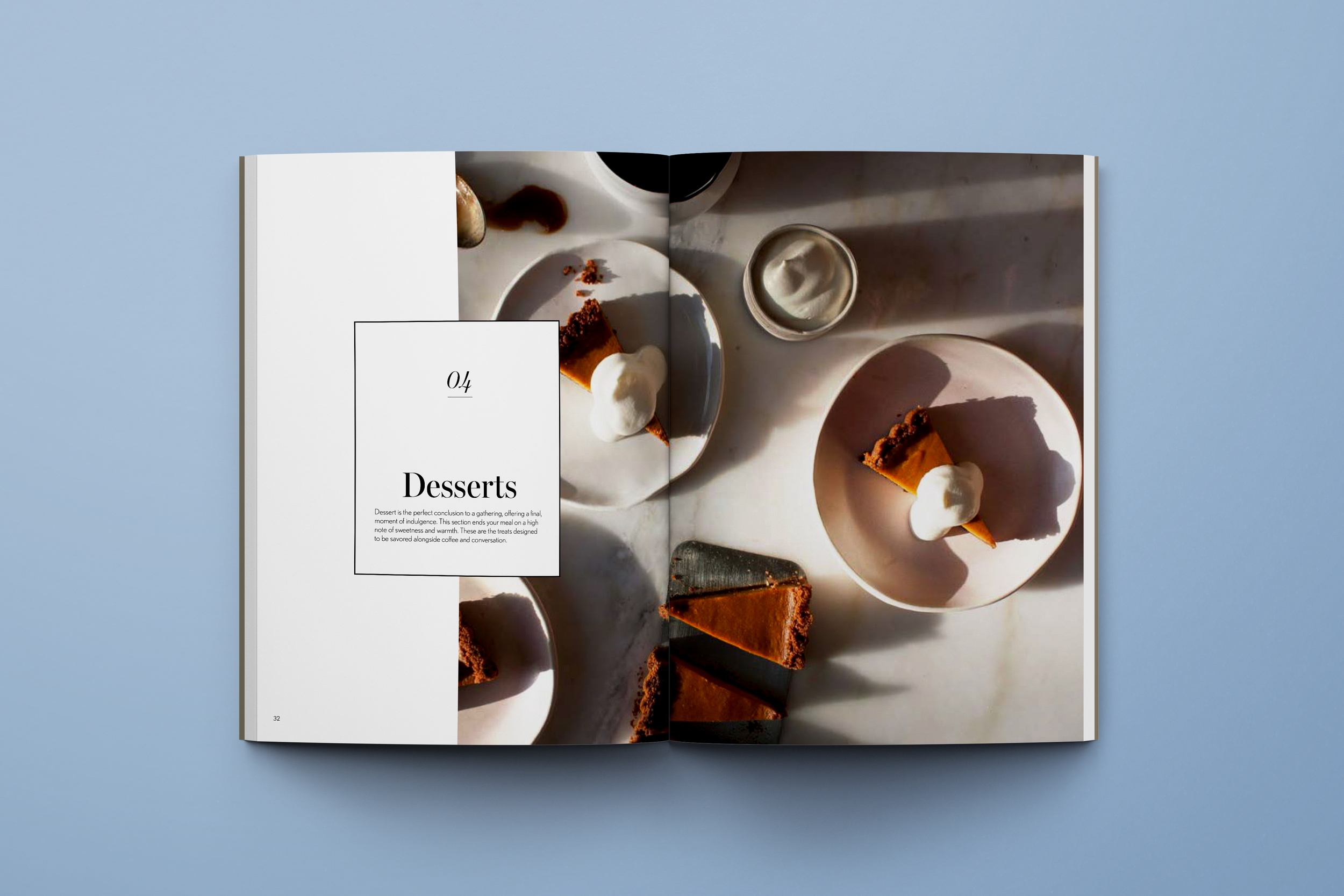
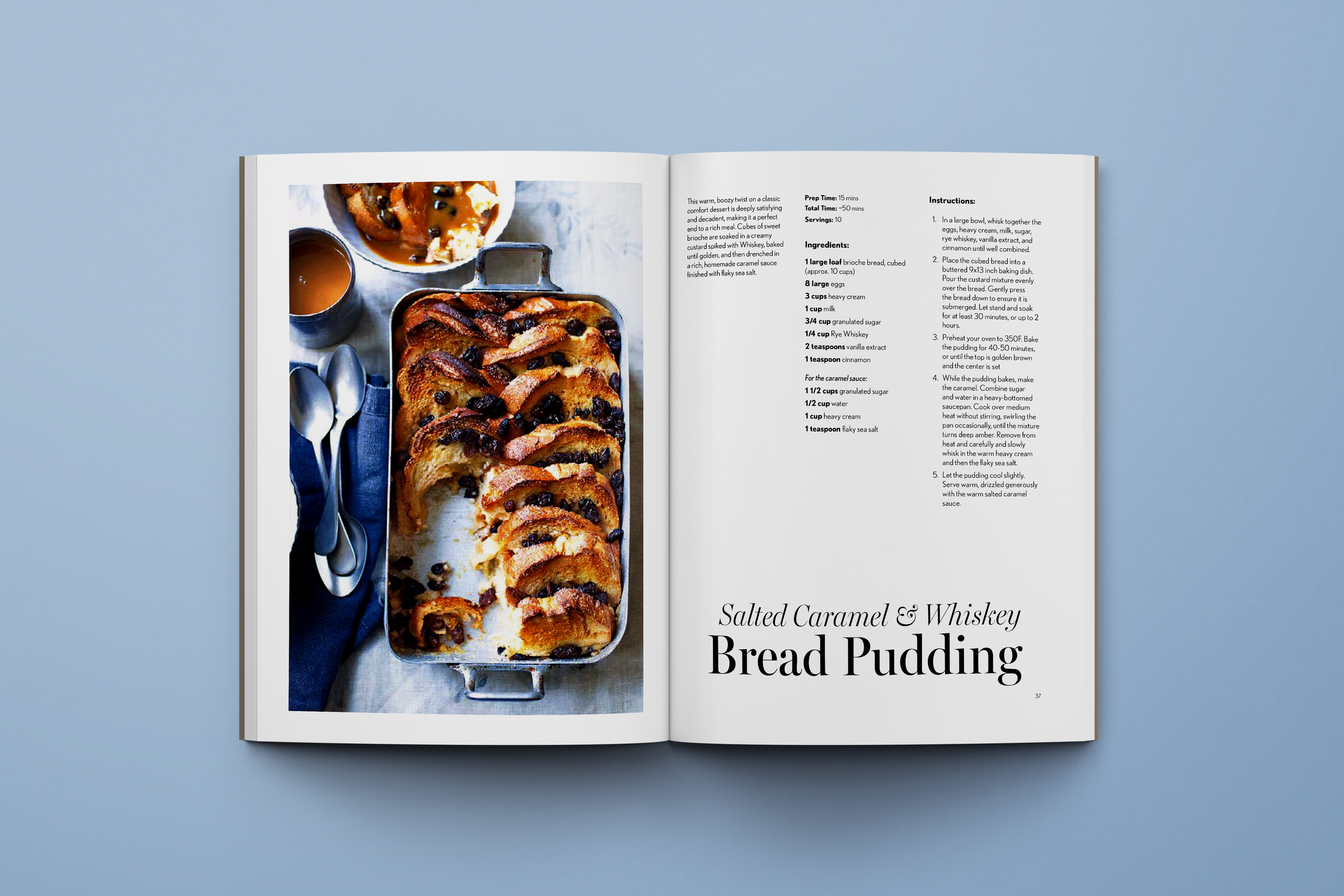
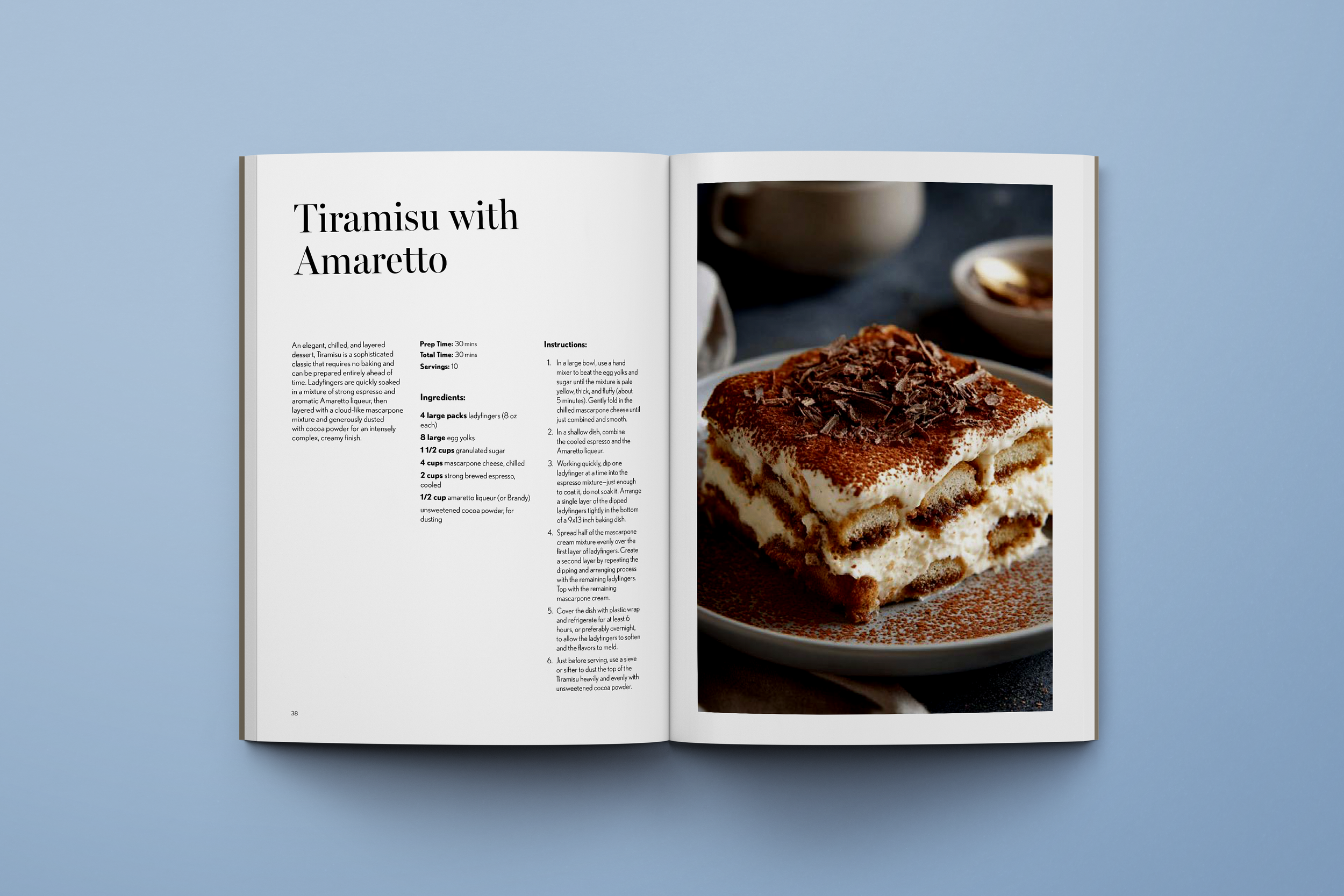
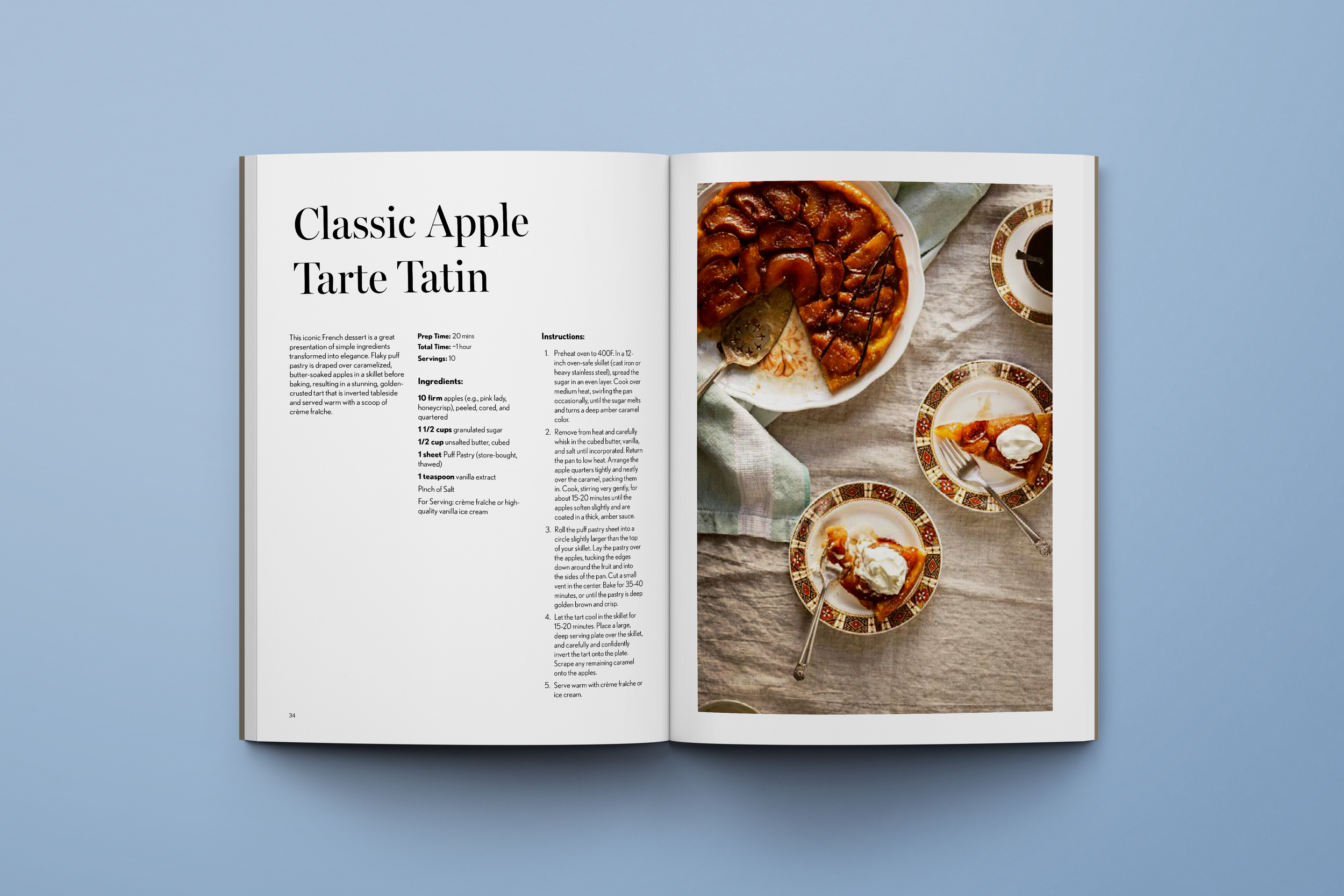
A cookbook cover and full chapter designed in InDesign using provided text, graphics, and images. The project centers on production design: building layout templates and master pages and applying a style guide to keep every page consistent. The layouts put core principles of visual design into practice, including focal point, hierarchy, scale and surprise, negative space, grid systems, and symmetry and asymmetry, drawing on existing cookbooks for reference.
Disclaimer: Image credits to Pinterest